How to choose cigarette paper: basis weight, permeability, LIP and burn additives
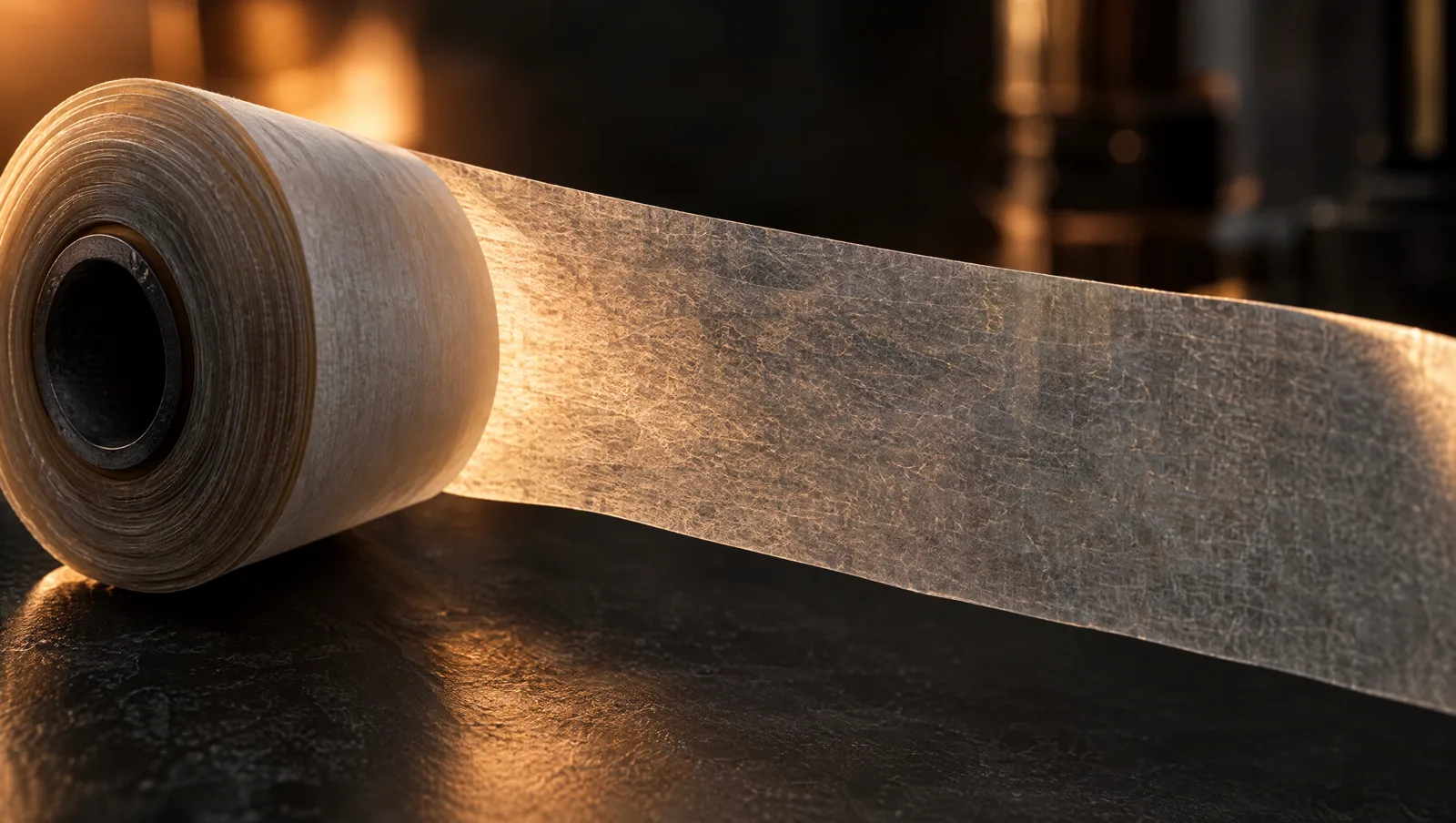
Cigarette paper looks like the simplest material on the bill of materials. It is also the one that changes the taste and the burn of the product most for the least money. A factory that switches paper without trials usually learns this from the market. Here is what the parameters mean and how to choose.
Basis weight
Basis weight, in grams per square metre, is the mass of the paper. Most cigarette papers are between 20 and 35 g/m²; lighter papers down to 10 g/m² and heavier up to 60 g/m² exist for special products. A heavier paper is more opaque and stronger on the machine, but it contributes more paper smoke and ash. Lighter papers give a cleaner taste and lower sidestream but need a well-adjusted maker to avoid breaks at speed.
Air permeability
Permeability is measured in CORESTA units (CU): the volume of air in cubic centimetres that passes through one square centimetre of paper per minute at a defined pressure. Non-perforated papers typically fall between 20 and 120 CU, with 30 to 60 CU common for conventional products. Higher permeability lets more air into the tobacco rod, which lowers tar and nicotine deliveries and speeds up the burn. Perforated papers reach several hundred CU for highly ventilated designs.
Permeability interacts with the filter ventilation. If you change one, retest the deliveries, because the two together determine how much dilution the smoke receives.
Filler and burn additives
Calcium carbonate filler, typically 25 to 35 %, gives the paper its whiteness, opacity and ash colour, and it influences the burn. Citrate burn additives (sodium or potassium citrate) control the static burn rate and the ash appearance. A paper with the wrong burn additive level produces a cigarette that self-extinguishes in the ashtray or burns too fast between puffs. Ask the mill for its standard burn additive level and adjust in trials.
Lower ignition propensity (LIP) paper
The European Union and several other markets require cigarettes to meet a lower ignition propensity standard (EN 16156 in the EU). The paper carries bands of a cellulose coating that reduce the air supply to the burning cone; if the cigarette is left unattended, it goes out at a band. LIP paper costs more and the bands have to be matched to the cigarette length so that the standard's test is passed. Any product for the EU must use it, and the mill will ask for your cigarette length and the band position you need.
Printing, colour and watermark
Paper can carry a printed brand mark or pattern, a watermark, a tinted shade or an unbleached brown colour for natural-positioned products. Printed paper replaces or supplements the on-machine printer; registration with the cutting position has to be agreed with the mill.
Reel specification
Bobbin width is set by the cigarette circumference plus the seam overlap, typically 24 to 30 mm. Reel diameter, core size and splice marking must match the bobbin changer of your maker. State the machine and the format; the mill has tables for Mark 8, Mark 9, Protos and other lines.
A selection procedure that works
- Fix the product target: blend, format, target tar and nicotine, market regulations.
- Ask the mill for two or three grades that fit, with the full data sheet.
- Run trials on your maker at production speed; measure breaks, seam quality and print.
- Produce test cigarettes and send them to the laboratory for deliveries and, in the EU, LIP testing.
- Let your panel smoke them; paper taste is real.
- Lock the specification in writing, including the reel data.
Where Tabaxis fits in
We supply cigarette paper from European and Asian mills in any width and permeability, with LIP grades for the EU, and we consolidate it with tipping paper, plugwrap and other materials in one shipment. Tell us your format and your maker and we will propose grades and trial quantities.
Related products
Cigarette paper
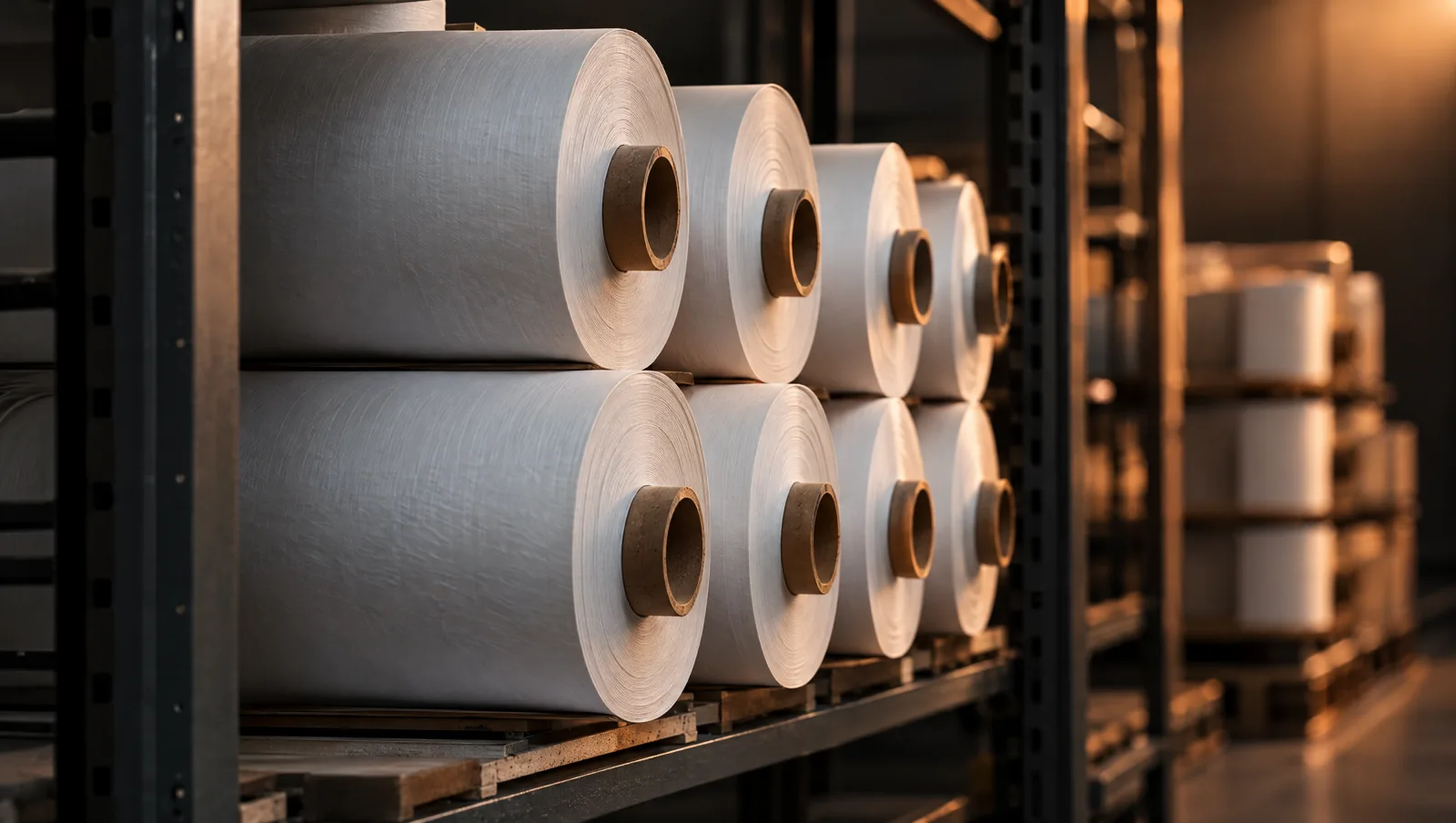
Cigarette paper bobbins of any width and permeability for all formats and machines, direct from European and Asian paper mills.
Learn more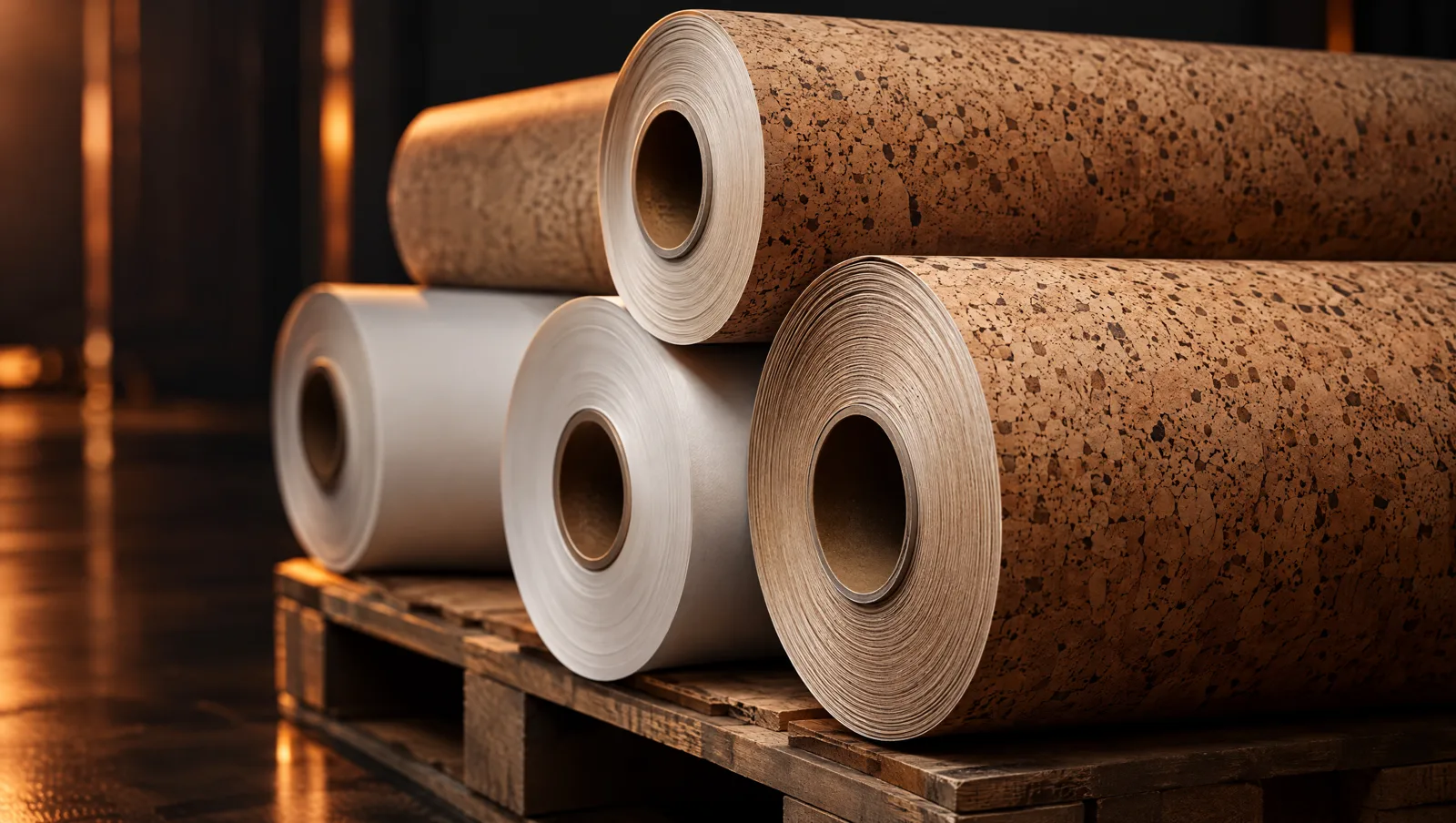
Tipping paper
Cork, white and printed tipping paper in any width and basis weight, with perforation to your ventilation target and your brand design.
Learn more
Adhesives for cigarette production
Hot-melt and cold water-based adhesives for the cigarette seam, tipping, filter plugwrap and pack gluing on high-speed machines.
Learn moreMore articles
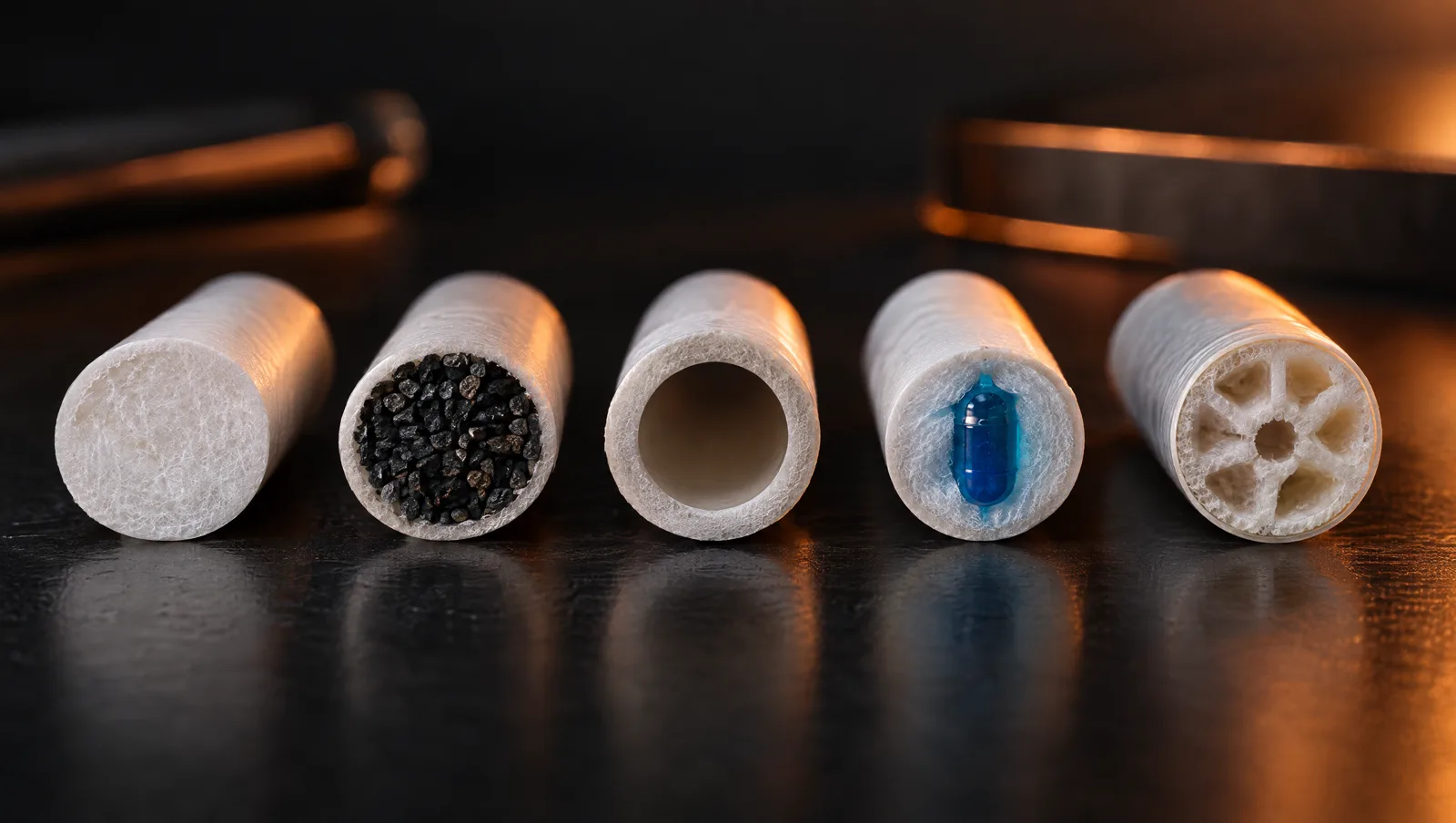
Cigarette filter rods explained: mono acetate, charcoal, recessed, hollow and capsule
What each type of cigarette filter rod does, where it is used and what to watch for when you specify it for your filter assembler.

How to specify a filter rod: length, circumference, pressure drop, ventilation and plugwrap
A practical checklist of the parameters a cigarette factory should state when ordering acetate filter rods, with typical values and the tests behind them.
Tipping paper: designs, perforation and compatibility with plugwrap and adhesive
What tipping paper does on the cigarette, the options for design and perforation, and why paper, plugwrap and adhesive must be specified together.