Tipping paper: designs, perforation and compatibility with plugwrap and adhesive
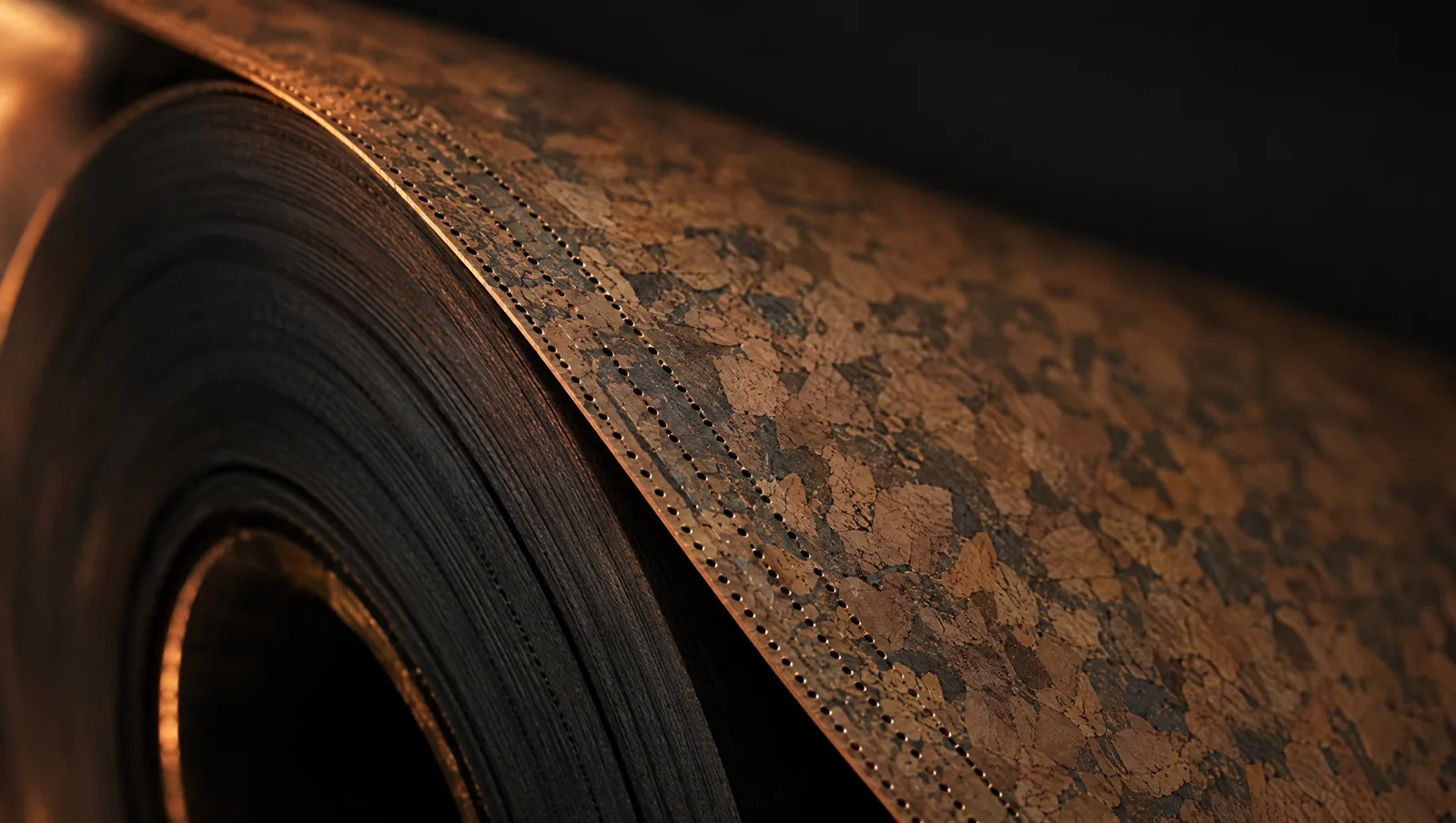
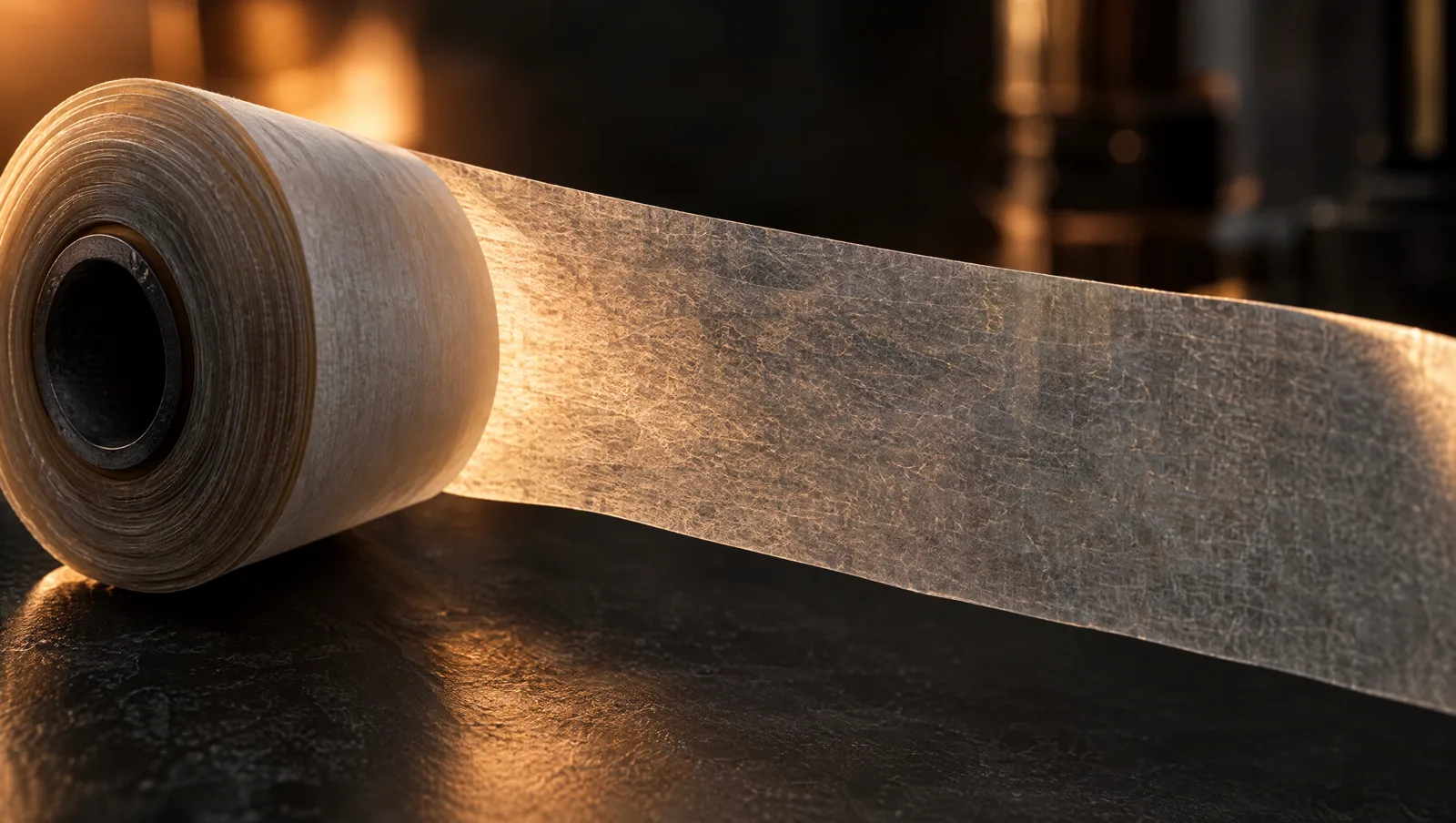
Tipping paper is a strip of about 50 to 64 mm width that wraps the filter and the end of the tobacco rod, joining them into one cigarette. It is the only part of the product in contact with the lips, it carries most of the visible brand design and, through its perforation, it controls the ventilation of the smoke. Three different departments care about it: marketing, production and the laboratory. Here is how to satisfy all three.
Designs and colours
The classic design is an imitation cork print; white tipping is the alternative for lighter-positioned products, and black, coloured and metallic designs are used in premium and slim segments. Printing can add brand names, lines and patterns in registration with the cigarette, and finishes include matt, gloss and pearlescent effects.
Because the paper touches the lips, inks and lacquers must comply with food-contact regulations and must not transfer colour or taste. Ask for the compliance certificate for every design, including reprints.
Coatings: lip release and oil resistance
A lip-release coating keeps the paper from sticking to dry lips; an oil-resistant barrier stops flavour oils or tobacco oils from staining the paper. Both are applied by the paper maker and both affect how the tipping adhesive behaves, which is why adhesive and paper are tested together.
Perforation and ventilation
Ventilation dilutes the mainstream smoke with air drawn through rows of tiny holes in the tipping paper and through a porous plugwrap underneath. Perforation can be done offline by the paper maker, either electrostatically or by laser, or online on the filter assembler by a laser unit. Offline perforation is cheaper for stable products; online perforation gives flexibility to change ventilation without changing paper.
The ventilation target is set in percent of total smoke. To reach it, the paper's perforation and the plugwrap porosity must be matched: a highly porous plugwrap under a lightly perforated paper behaves differently from the opposite combination. Specify the target ventilation and let the manufacturer propose the perforation pattern, then confirm with a laboratory measurement on finished cigarettes.
Basis weight and runnability
Tipping papers are usually 32 to 40 g/m²; heavier papers up to 50 g/m² are used for special finishes. Heavier paper is stiffer and runs well on older assemblers; thinner paper saves cost but needs good web tension control. Reel diameter, core and splice tape must match your assembler's bobbin changer.
The adhesive is part of the specification
Tipping adhesive is a fast-setting cold glue applied on the assembler. Coated papers need adhesives that wet the coating and set in the time available at machine speed. A paper that works perfectly at 2,500 cigarettes per minute can open at the seam at 5,000 if the adhesive is not adjusted. When you change paper, change or re-test the adhesive.
Practical checklist
- Design: cork, white, coloured or printed; finish; food-contact certificate.
- Basis weight and width.
- Perforation: none, offline (laser or electrostatic) with target ventilation, or paper prepared for online laser.
- Plugwrap porosity of the filter rod that will sit under it.
- Adhesive grade and machine speed.
- Reel diameter, core and splice marking for your assembler.
Tabaxis supplies tipping paper in all these configurations and, more importantly, supplies the filter rods and the adhesive to go with it, so the three components arrive matched and tested rather than as separate purchases that meet for the first time on your machine.
Related products
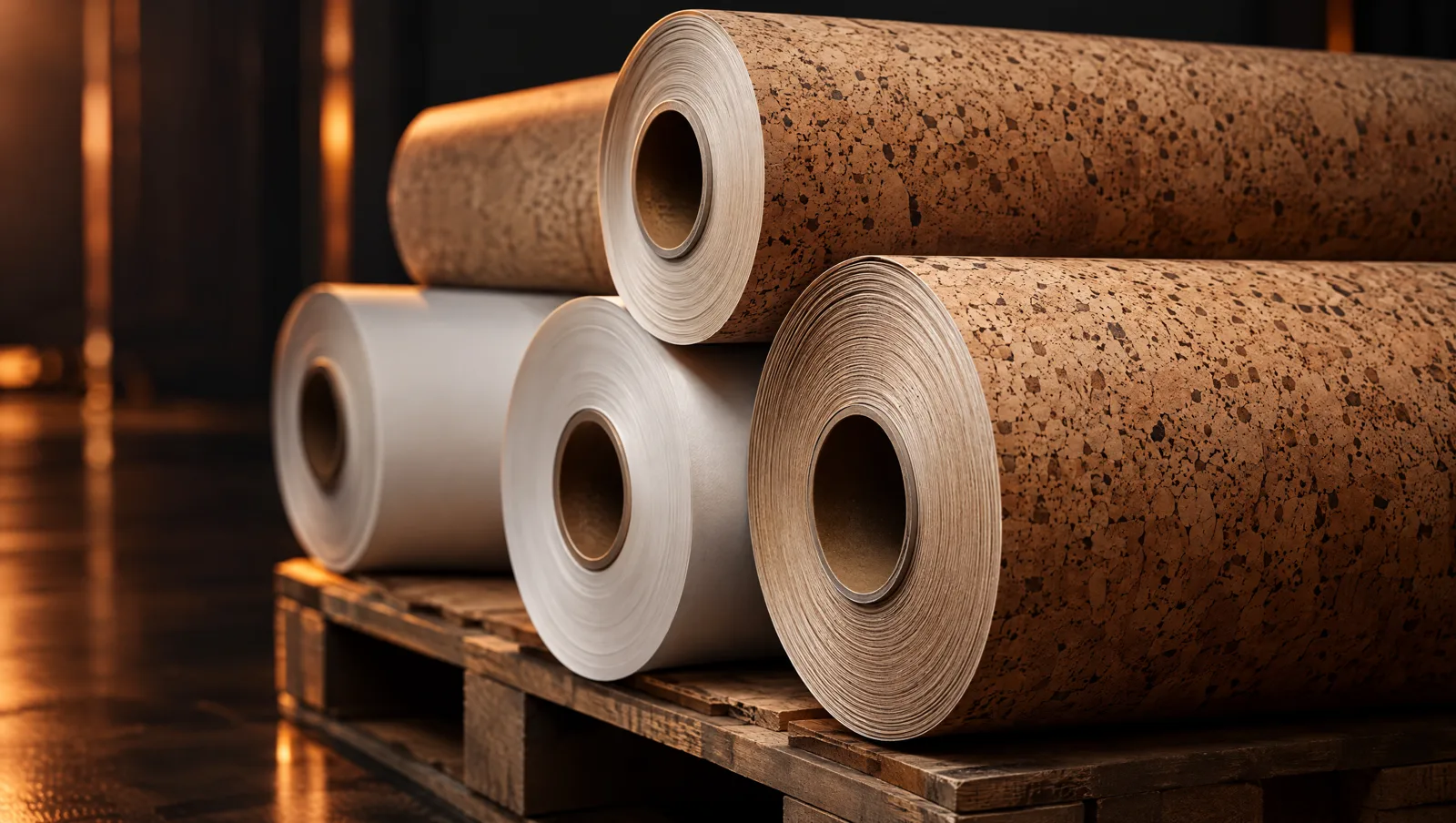
Tipping paper
Cork, white and printed tipping paper in any width and basis weight, with perforation to your ventilation target and your brand design.
Learn more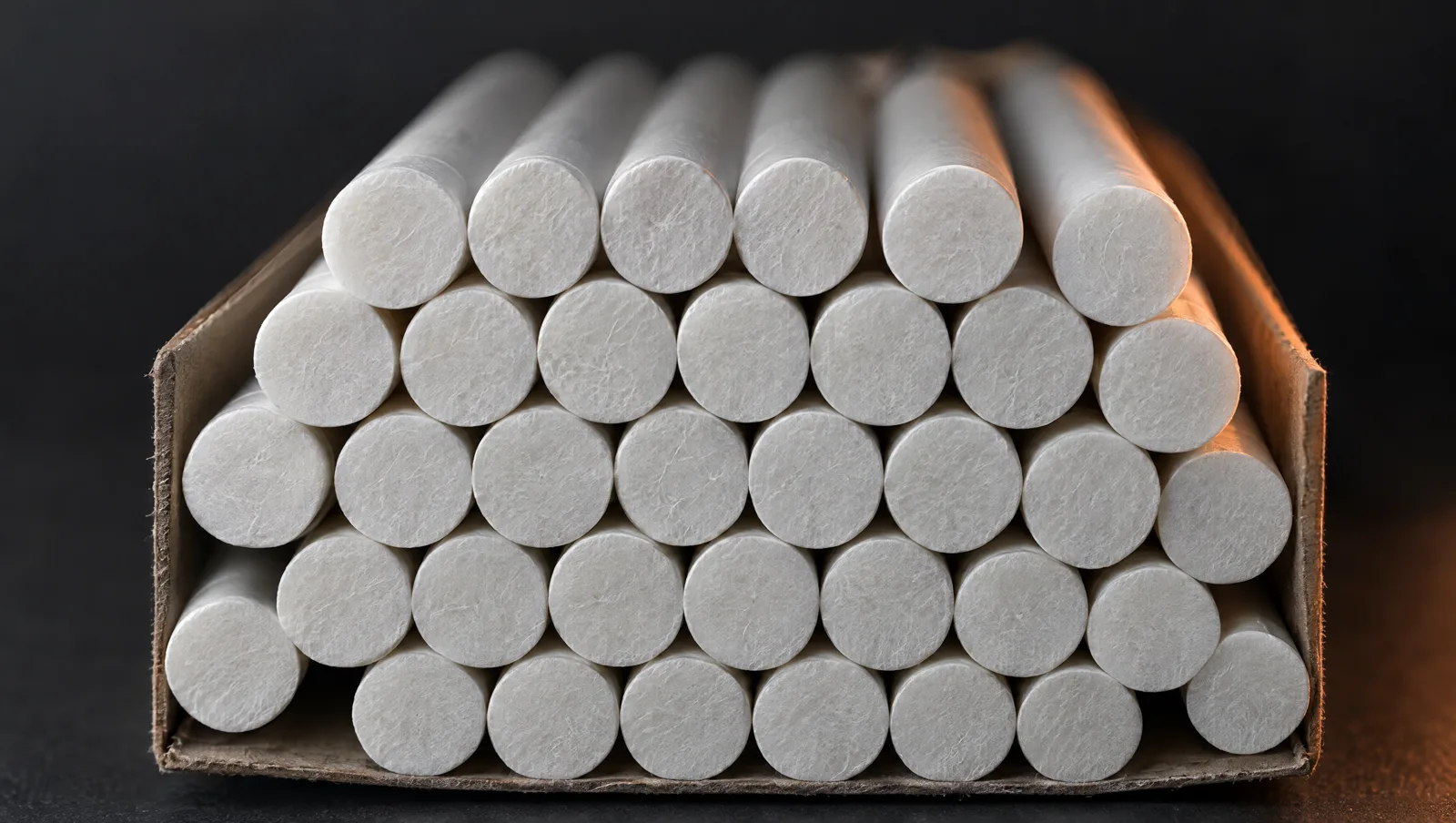
Filter rods
Mono acetate, charcoal, recessed, hollow tube and capsule filter rods in any length, diameter and pressure drop.
Learn more
Adhesives for cigarette production
Hot-melt and cold water-based adhesives for the cigarette seam, tipping, filter plugwrap and pack gluing on high-speed machines.
Learn moreMore articles
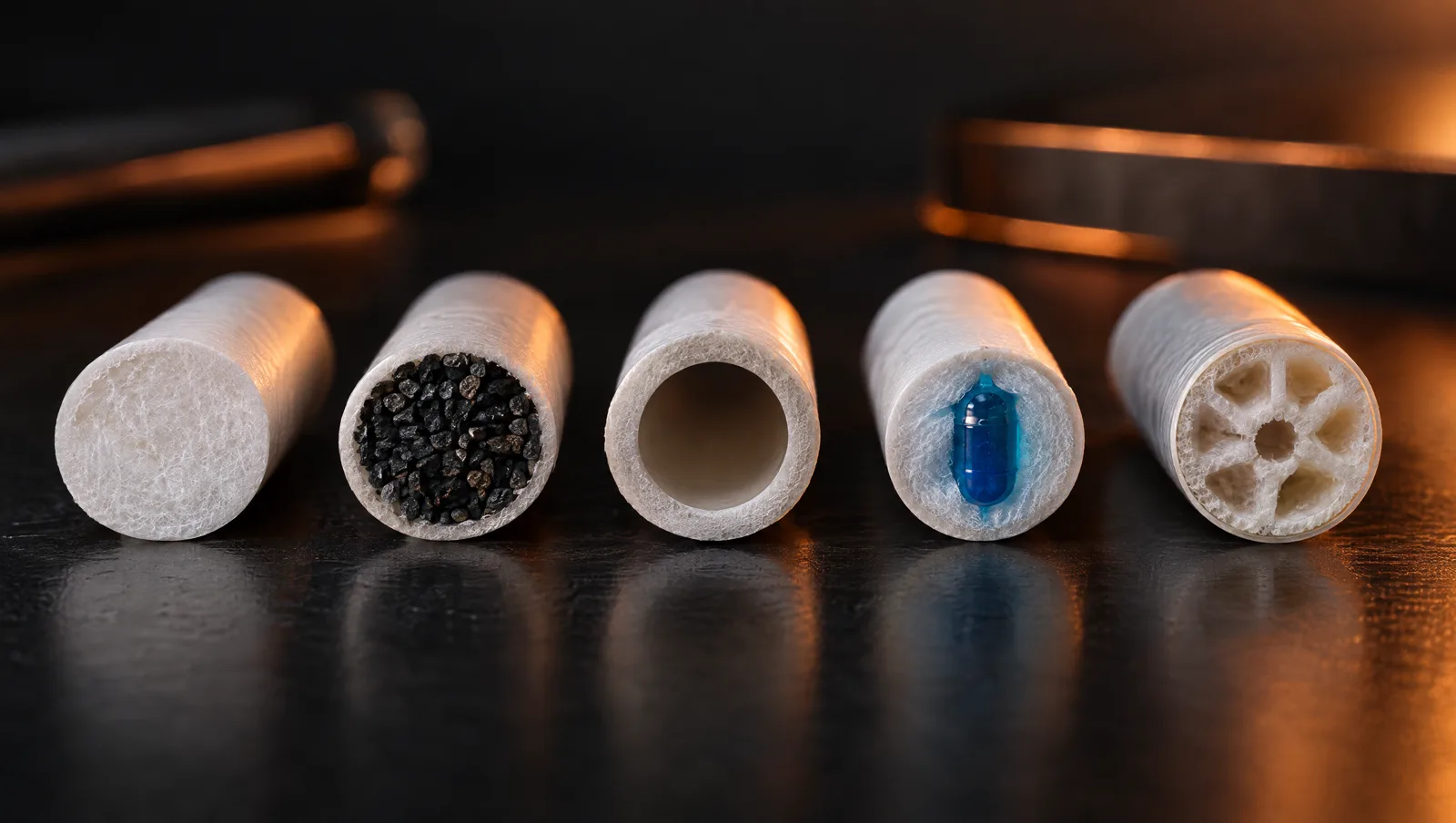
Cigarette filter rods explained: mono acetate, charcoal, recessed, hollow and capsule
What each type of cigarette filter rod does, where it is used and what to watch for when you specify it for your filter assembler.

How to specify a filter rod: length, circumference, pressure drop, ventilation and plugwrap
A practical checklist of the parameters a cigarette factory should state when ordering acetate filter rods, with typical values and the tests behind them.
How to choose cigarette paper: basis weight, permeability, LIP and burn additives
The four cigarette paper parameters that change how a cigarette burns and tastes, and how to match them to your blend, your machine and your market.