How to specify a filter rod: length, circumference, pressure drop, ventilation and plugwrap
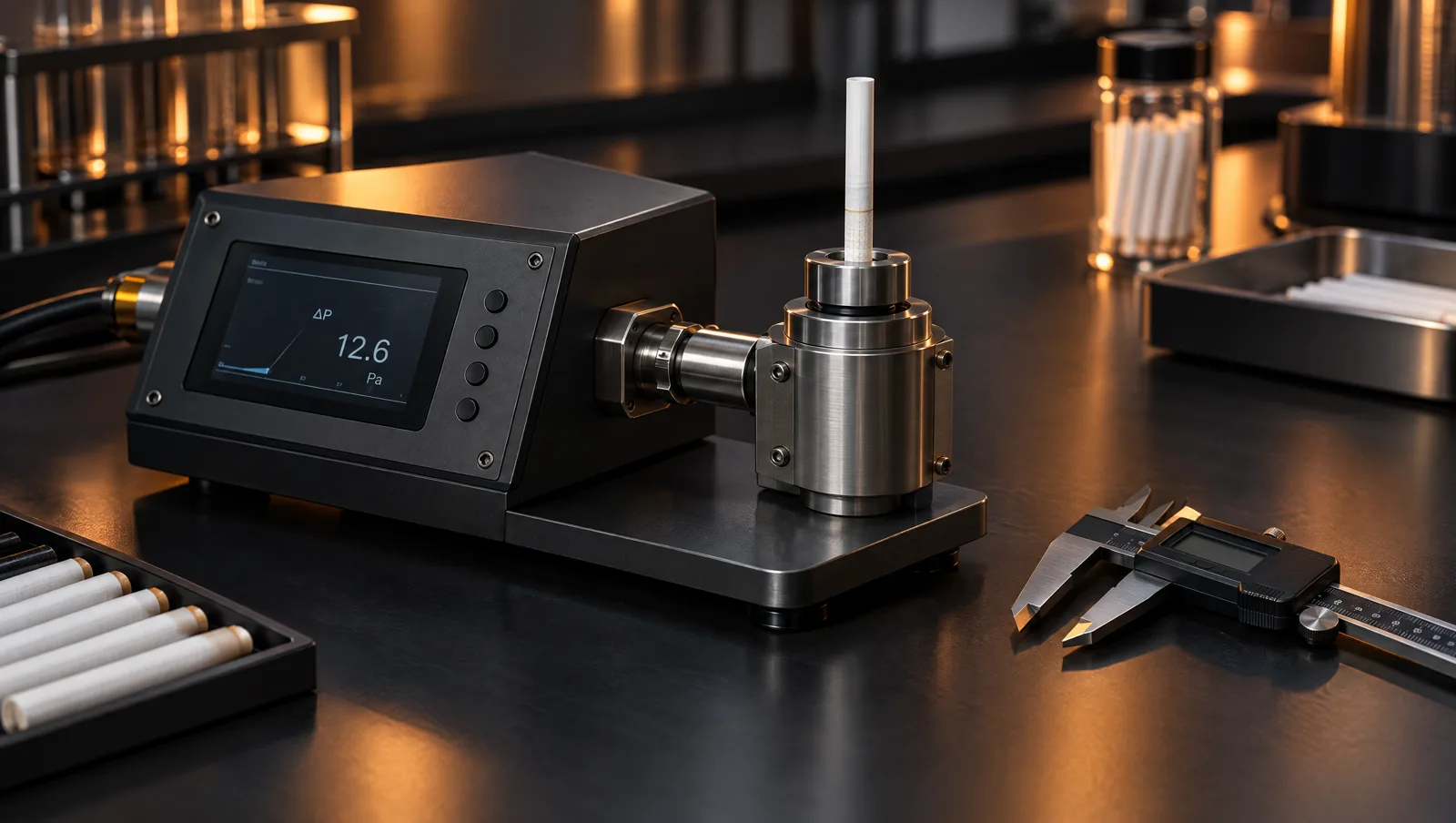
Most problems with filter rods are not quality problems; they are specification problems. The rod was made correctly, but not for the machine and the product it ended up on. This checklist covers the parameters that belong in every filter rod order and explains how each one is measured.
1. Rod length and tips per rod
Standard rods are 108 mm long and are cut on the filter assembler into six tips of 18 mm or four tips of 27 mm. Longer rods (120, 126, 144 mm) are used for some dual and carbon constructions and for machines set up for them. State the rod length and the number of tips, because the manufacturer sets the cutting and the plugwrap seam position accordingly. Length tolerance is normally ±0.5 mm.
2. Circumference or diameter
The circumference of the rod must match the cigarette rod so that the tipping paper wraps both without a step. Manufacturers measure circumference optically or pneumatically in millimetres; many buyers think in diameter. The two are linked by pi: a 6.65 mm diameter is about 20.9 mm circumference, a 7.75 mm diameter about 24.3 mm. Give one value and the tolerance, usually ±0.2 mm circumference, and make sure your drawing and the manufacturer's use the same quantity.
3. Pressure drop
Pressure drop is the resistance to draw of the whole rod, measured in millimetres of water gauge (mm WG) at a standard flow of 17.5 ml/s according to ISO 6565 and CORESTA methods. It depends on the tow item, the amount of tow and the circumference. A rod for a queen size cigarette may be specified at 300 mm WG, a king size value product at 240 mm WG; the finished filter tip has a proportional share of the rod value.
Specify the target and the tolerance, for example 300 ± 20 mm WG. Tighter tolerances cost more because they require more frequent adjustment at the rod maker. Remember that the pressure drop of the finished cigarette also includes the tobacco rod and any ventilation.
4. Hardness
Hardness is the resistance of the rod to compression, measured as a percentage with a standard load. Values around 85 to 92 % are typical. A soft rod deforms in the pack and under the tipping roller; a very hard rod can crack the plugwrap. Hardness is adjusted through the plasticiser level and the tow.
5. Ventilation and plugwrap porosity
Filter ventilation dilutes the smoke with air drawn through perforations in the tipping paper and through the plugwrap. If your product is ventilated, state the target total ventilation in percent, and specify a porous plugwrap with the porosity in CORESTA units (CU). Porous plugwraps range from a few thousand to over 20,000 CU; non-ventilated products use a standard plugwrap of low porosity. The plugwrap grammage, typically 25 to 30 g/m², affects stiffness and the feel on the lips.
6. Tow item
The tow item is written as denier per filament / total denier, with a cross-section code, for example 3.0Y/35000. Lower denier per filament gives higher filtration at the same pressure drop. Most buyers leave the tow selection to the manufacturer and specify the result (pressure drop, hardness, filtration efficiency), but if you have a reference product, give the tow item so the taste stays the same.
7. Plasticiser and additives
Triacetin is the standard plasticiser, applied at 6 to 10 % of the tow weight. Some markets restrict certain additives; ask for the composition declaration and the compliance statement for the destination.
8. Seam, glue and defects
The plugwrap seam is glued with hot-melt or cold glue. Specify the maximum seam width and ask for the defect rate on seam opening and glue spots. Low glue defects are the difference between a line that runs and a line that stops every few minutes.
9. Packing
Rods are packed in trays, typically five trays per master case, and cases on pallets or loose in the container. State the tray type your assembler magazine takes, the rods per tray and the case marking you want. A 40-foot container carries roughly 8 to 10 million rods depending on format.
10. Testing and certificates
Each lot should come with a certificate stating length, circumference, pressure drop, hardness, moisture and visual defects, with the test method and sample size. Ask how the manufacturer calibrates its pressure drop testers and whether it uses CORESTA reference rods.
A sample specification
Mono acetate filter rod, 108 mm (6 tips of 18 mm), circumference 20.9 ± 0.2 mm (diameter 6.65 mm), pressure drop 300 ± 20 mm WG, hardness ≥ 86 %, standard plugwrap 27 g/m² non-porous, triacetin 8 %, 4,900 rods per tray, 5 trays per case, certificate per lot.
Send a specification like this to two or three manufacturers and the quotations become comparable. Tabaxis does this work for you: we take your format, write the specification, collect samples from suitable manufacturers and ship the container DDP to your factory.
Related products
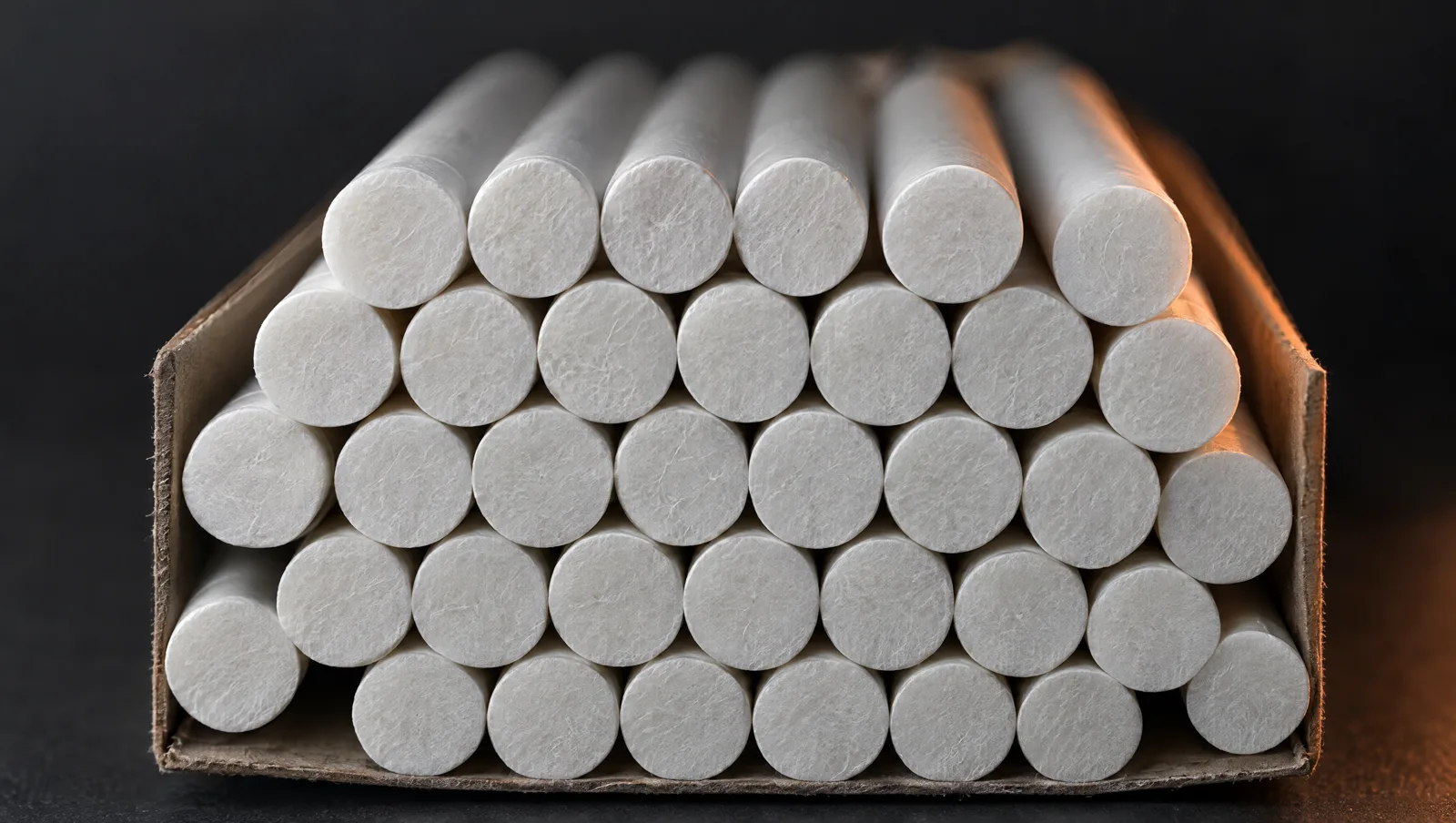
Filter rods
Mono acetate, charcoal, recessed, hollow tube and capsule filter rods in any length, diameter and pressure drop.
Learn more
Tipping paper
Cork, white and printed tipping paper in any width and basis weight, with perforation to your ventilation target and your brand design.
Learn more
Adhesives for cigarette production
Hot-melt and cold water-based adhesives for the cigarette seam, tipping, filter plugwrap and pack gluing on high-speed machines.
Learn moreMore articles
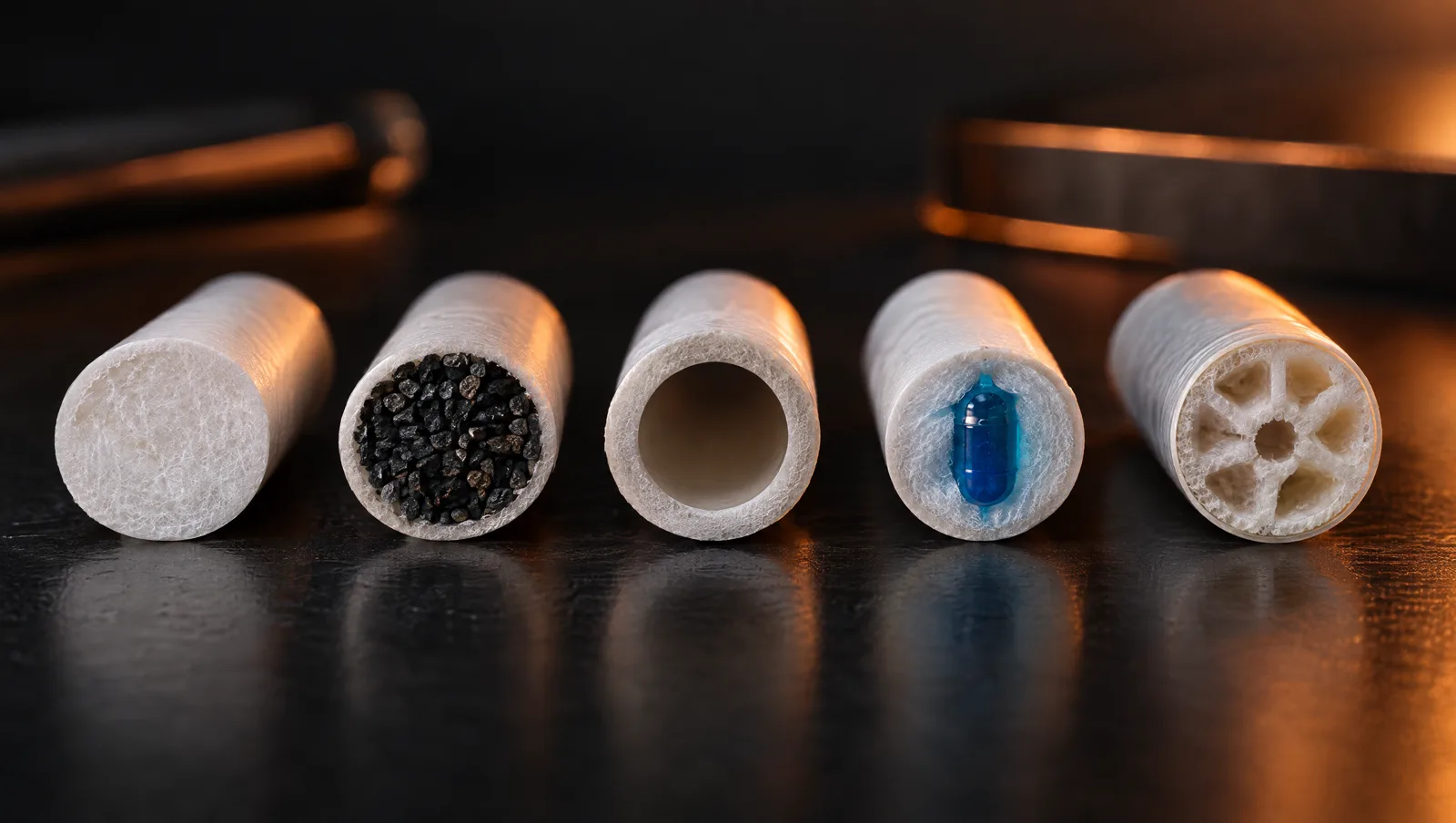
Cigarette filter rods explained: mono acetate, charcoal, recessed, hollow and capsule
What each type of cigarette filter rod does, where it is used and what to watch for when you specify it for your filter assembler.
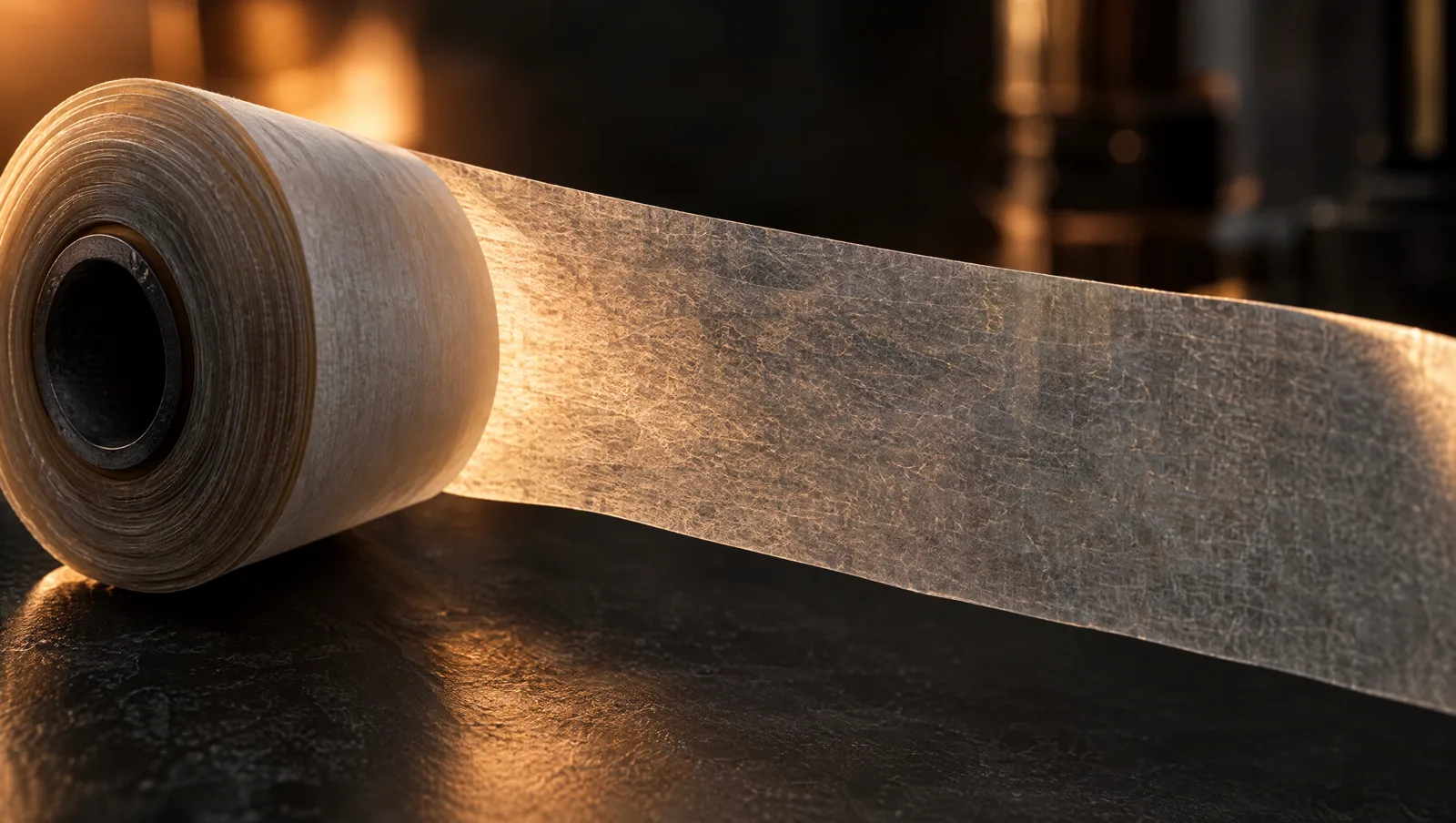
How to choose cigarette paper: basis weight, permeability, LIP and burn additives
The four cigarette paper parameters that change how a cigarette burns and tastes, and how to match them to your blend, your machine and your market.
Tipping paper: designs, perforation and compatibility with plugwrap and adhesive
What tipping paper does on the cigarette, the options for design and perforation, and why paper, plugwrap and adhesive must be specified together.