Cigarette packaging materials: foil, inner frame, blanks, film and tear tape
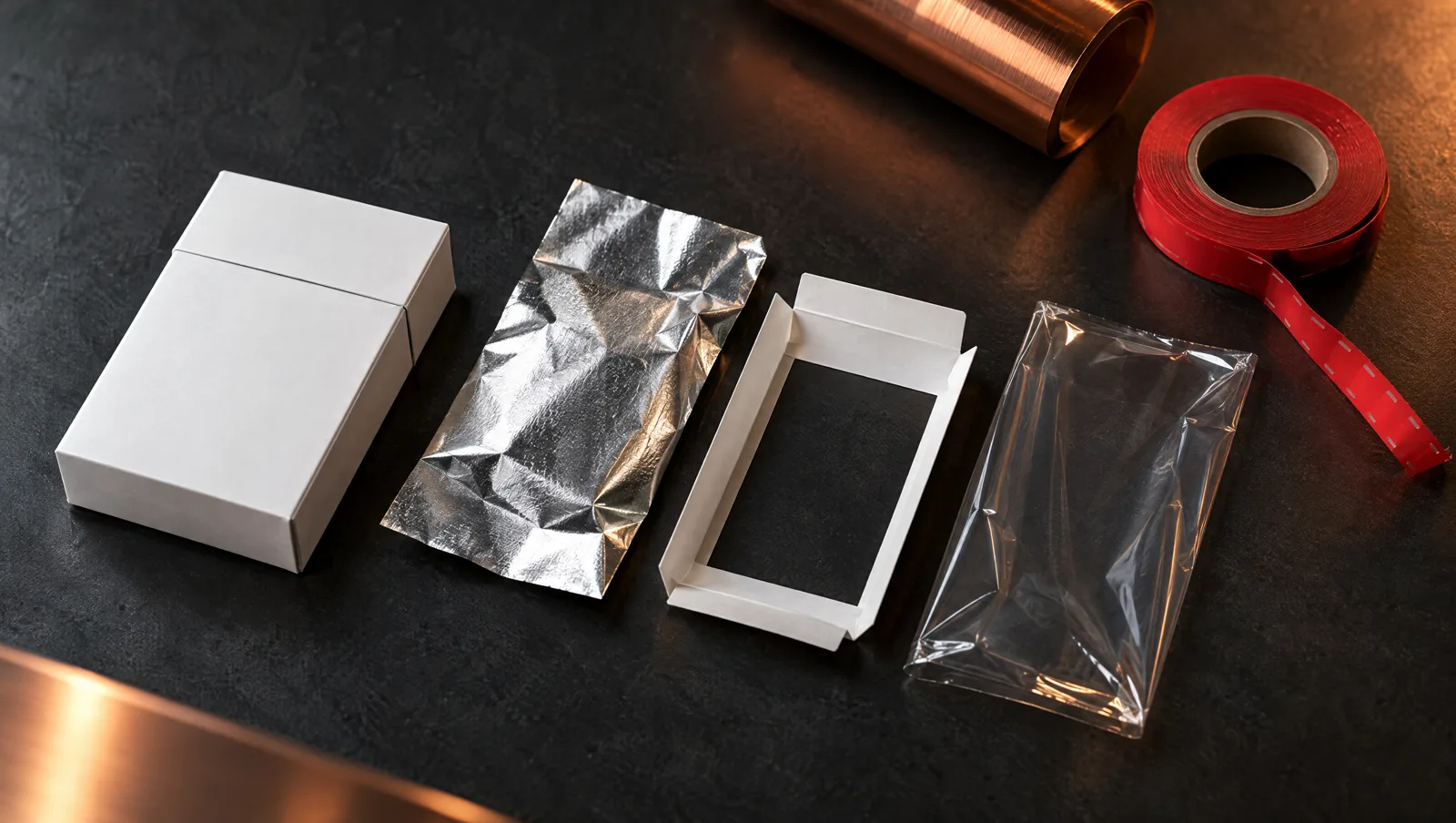
A hinge-lid pack is assembled from five materials in a few seconds on the packer. Each one is bought separately, often from a different country, and each one can stop the line if it is out of specification. This overview describes the five materials, the parameters that matter and the mistakes we see most often when they are bought in isolation.
1. Foil laminate (inner liner)
The inner liner is aluminium foil laminated to paper. The aluminium, typically 6.35 µm thick, is a barrier against moisture and odour; the paper, around 20 to 25 g/m², gives the liner body so it folds cleanly on the packer. Total basis weight is usually 45 to 60 g/m². Liners come silver or gold, plain or embossed with a pattern or brand, and also as foil-free metallised paper for markets that demand lighter packaging.
Specify: aluminium thickness, total basis weight, colour, embossing (on the reel or on the packer), reel width and core, and whether the gsm figure refers to the laminate or the paper only; suppliers use both conventions.
2. Inner frame board
The inner frame is the coated board collar that reinforces the front of the pack and gives the lid its closing position. Boards of 180 to 250 g/m², double coated, white or coloured, are standard; printed and varnished frames are used for brand accents. The critical parameters are stiffness and moisture, because a soft or damp frame loses registration in the folding station.
Specify: grammage, board type, finish, print if any, reel width (often around 95 mm) and core.
3. Printed hinge-lid blanks
The blank is the printed and die-cut board that becomes the pack. Solid bleached board or folding boxboard of about 230 to 350 g/m² is printed in offset or gravure with up to eight colours, varnished, hot-foil stamped, embossed and sometimes fitted with holographic security elements, then creased and cut to the packer's blank dimensions.
Specify: pack format and collation, blank drawing from the packer manufacturer, board grade, colours and finishes, health warning layout for the destination, tax stamp area, track-and-trace code field, and the quantity per pallet. Always print a trial quantity and run it on the packer before the main run.
4. BOPP overwrap film
The transparent film around the pack is a coextruded biaxially oriented polypropylene film, heat-sealable on both sides, 20 to 21 µm for packs and 25 µm or more for cartons. Grades differ in clarity, slip, sealing temperature and shrink. Pearlised, matt and metallised versions exist, as do films with anti-counterfeit features. PVC film is still used in a few regional markets and on some older wrappers.
Specify: thickness, grade and surface, reel width for your pack format, core and outer diameter, sealing temperature range.
5. Tear tape
The tear tape is a narrow strip of BOPP or PET with a pressure-sensitive adhesive, applied to the inside of the overwrap so that the consumer can open the film in one pull. Widths of 1.5 to 3.5 mm are common; the tape can be transparent, coloured, printed or holographic. Tensile strength and adhesion to the specific film decide whether it opens cleanly or snaps.
Specify: width, thickness, colour and print, reel length, core, and the film it has to bond to.
How the five interact
- Foil and inner frame share the forming station: a change in foil stiffness can affect frame registration.
- Blank board and glue must match: a varnished blank needs an adhesive that bonds to the varnish.
- Film and tear tape must be tested together on the wrapper at its sealing temperature.
- Embossed foil and printed inner frame compete for attention when the pack is opened; marketing should see both together.
Buying the pack as one programme
The common mistake is to buy each material from the cheapest source and to find out on the packer that they do not fit together. The better way is to treat the pack as one programme: one drawing set from the packer manufacturer, one specification per material, trial quantities of all five run together, and then a supply schedule that delivers them in one consignment.
Tabaxis supplies all five materials from manufacturers who work together, checks the specifications against your packer and delivers them DDP to your factory in one shipment, on a schedule that matches your production plan.
Related products
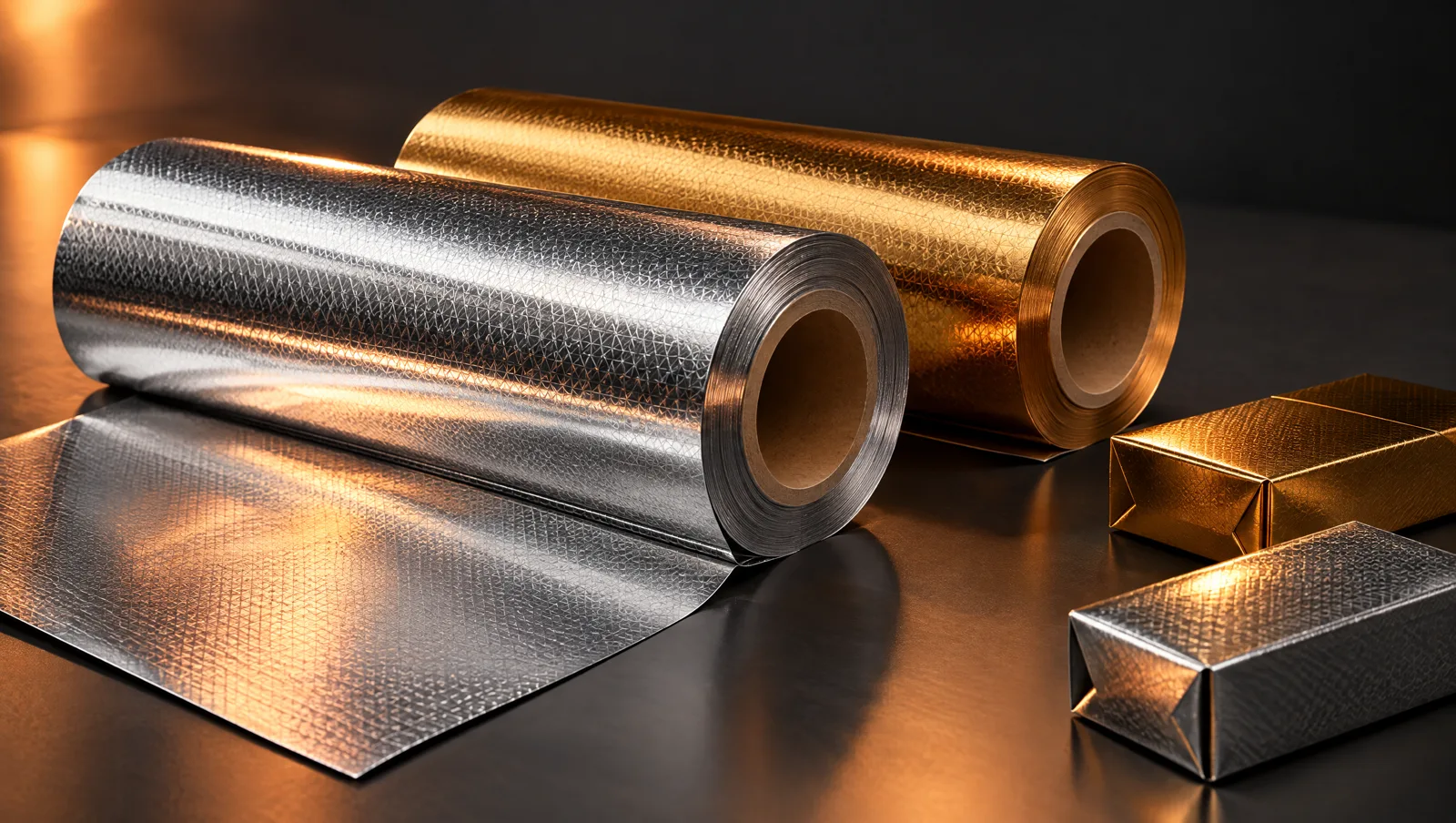
Cigarette foil (inner liner)
Aluminium foil laminated to paper for the inner liner of the pack, in any colour, embossed or printed, for high-speed packers.
Learn more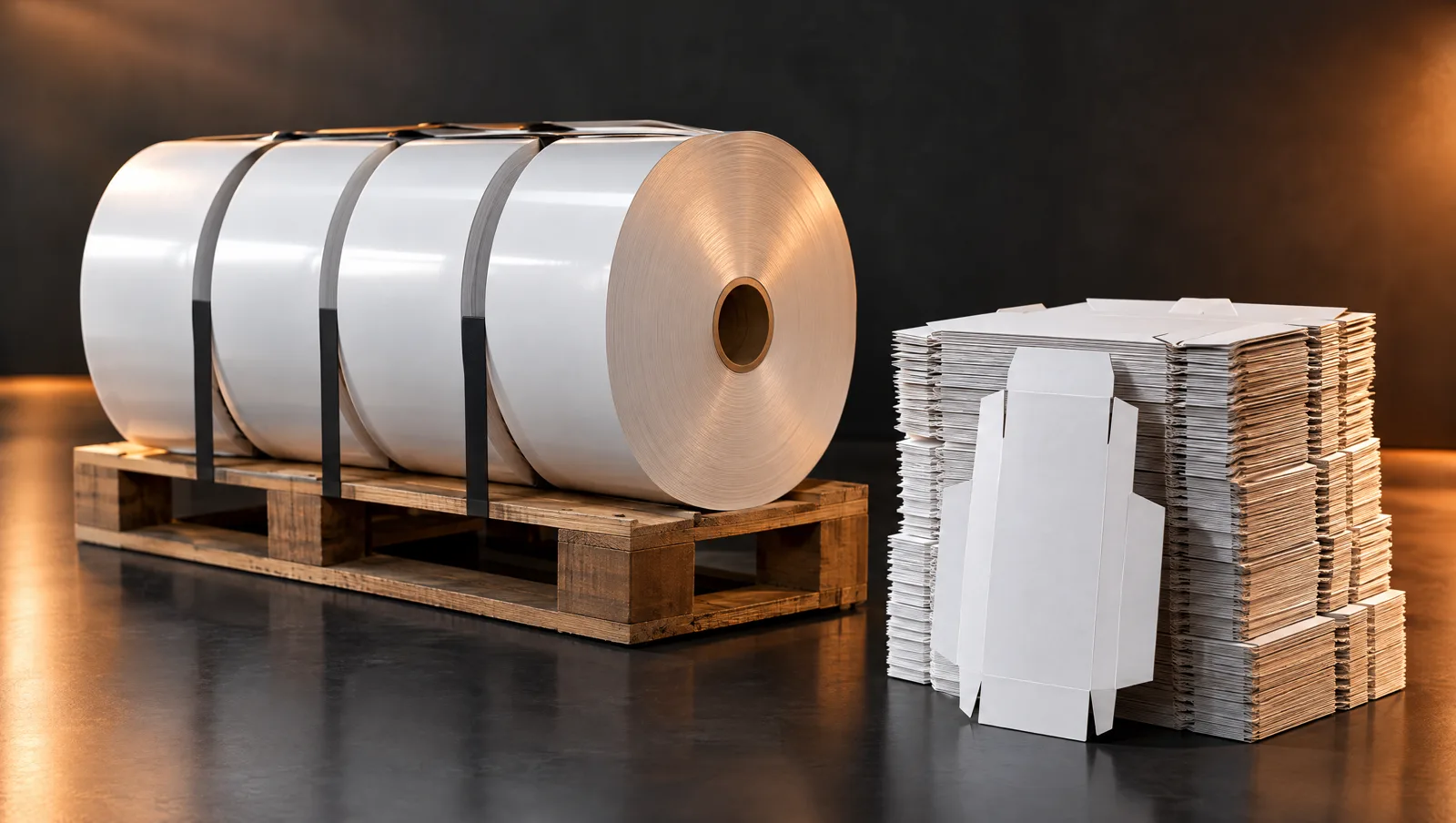
Inner frame board
Double-coated board for the inner frame of the hinge-lid pack, in colours and with print, to prevent pack deformation.
Learn more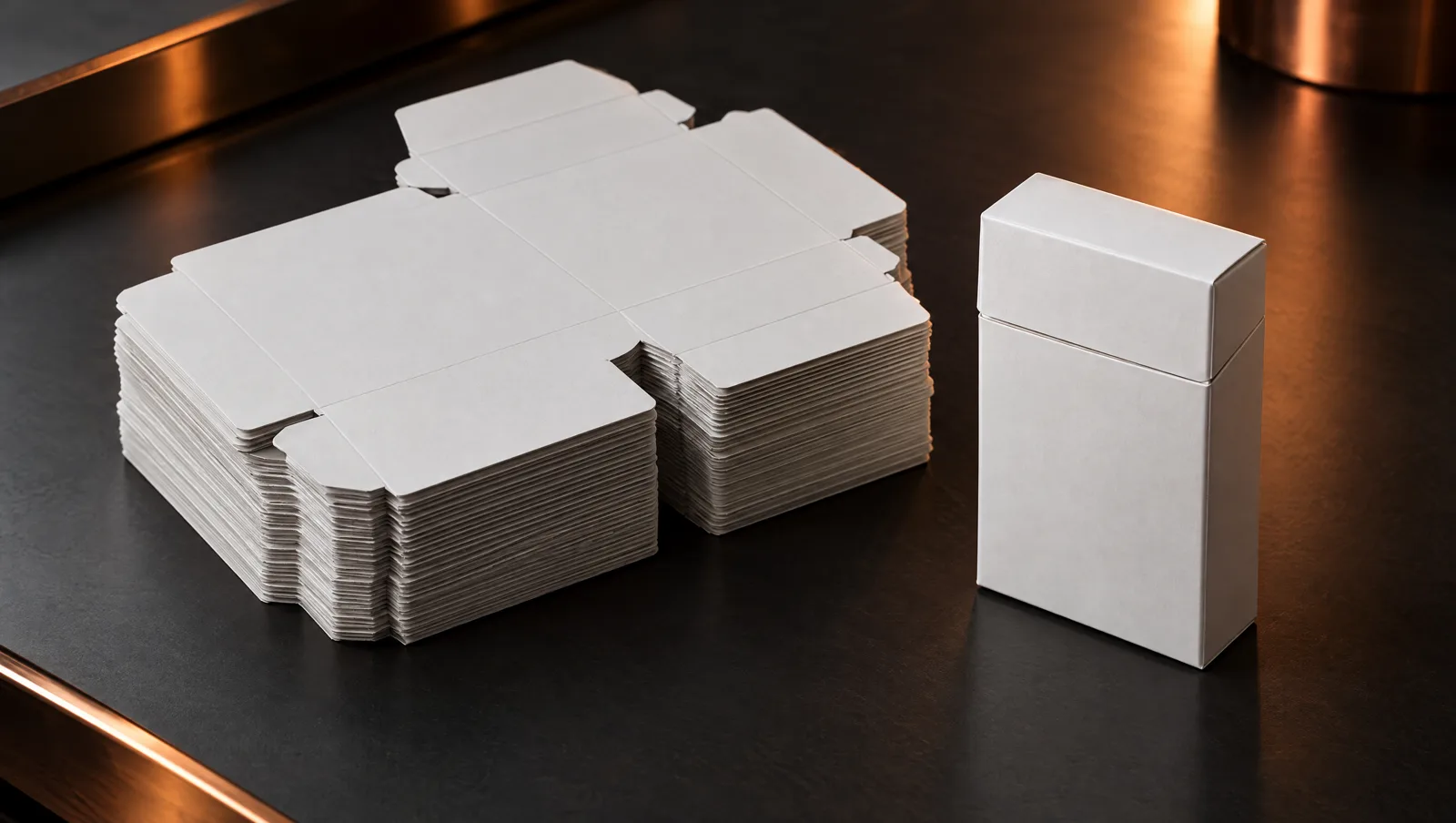
Printed packaging: hinge-lid blanks and cartons
Printed and die-cut hinge-lid blanks, shell-and-slide packs and cartons of ten with offset, hot-foil, embossing and holographic finishes.
Learn more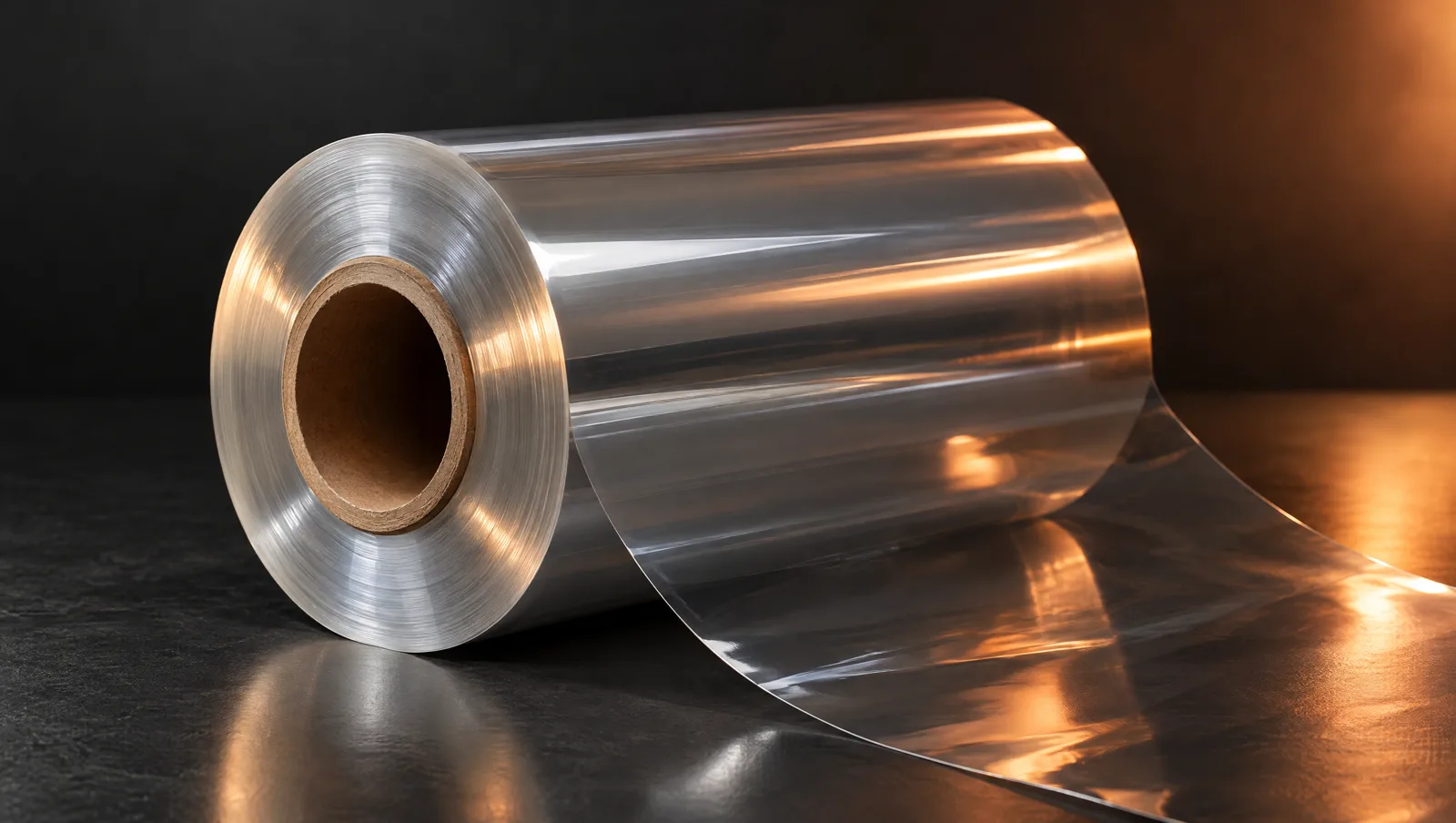
BOPP and PVC film
Heat-sealable BOPP overwrap film for packs and cartons, and PVC film for regional markets, in widths for every wrapper.
Learn more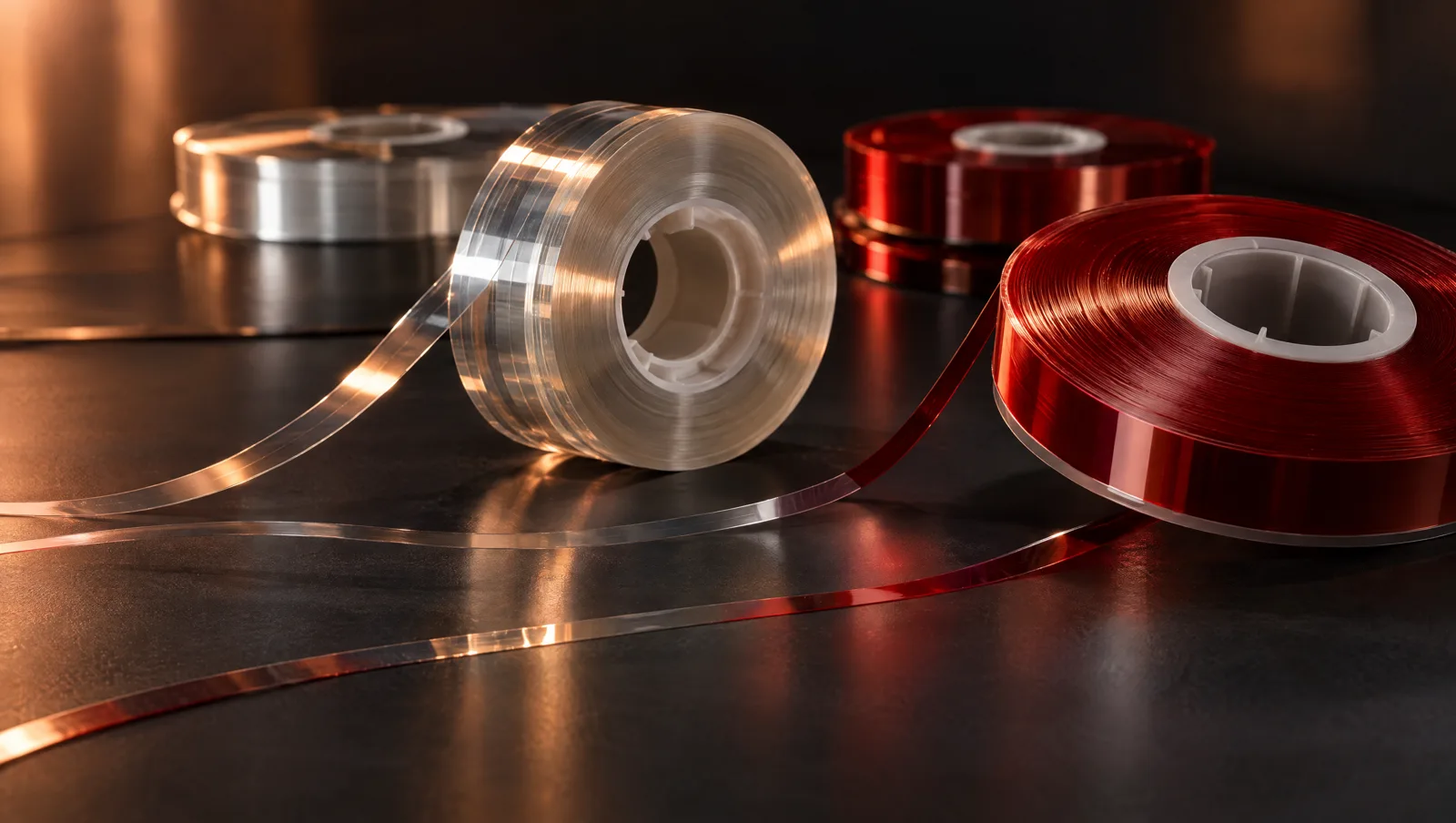
Self-adhesive tear tape
Transparent, coloured and printed tear tape for pack and carton overwrap, in widths and reel lengths for high-speed wrappers.
Learn moreMore articles
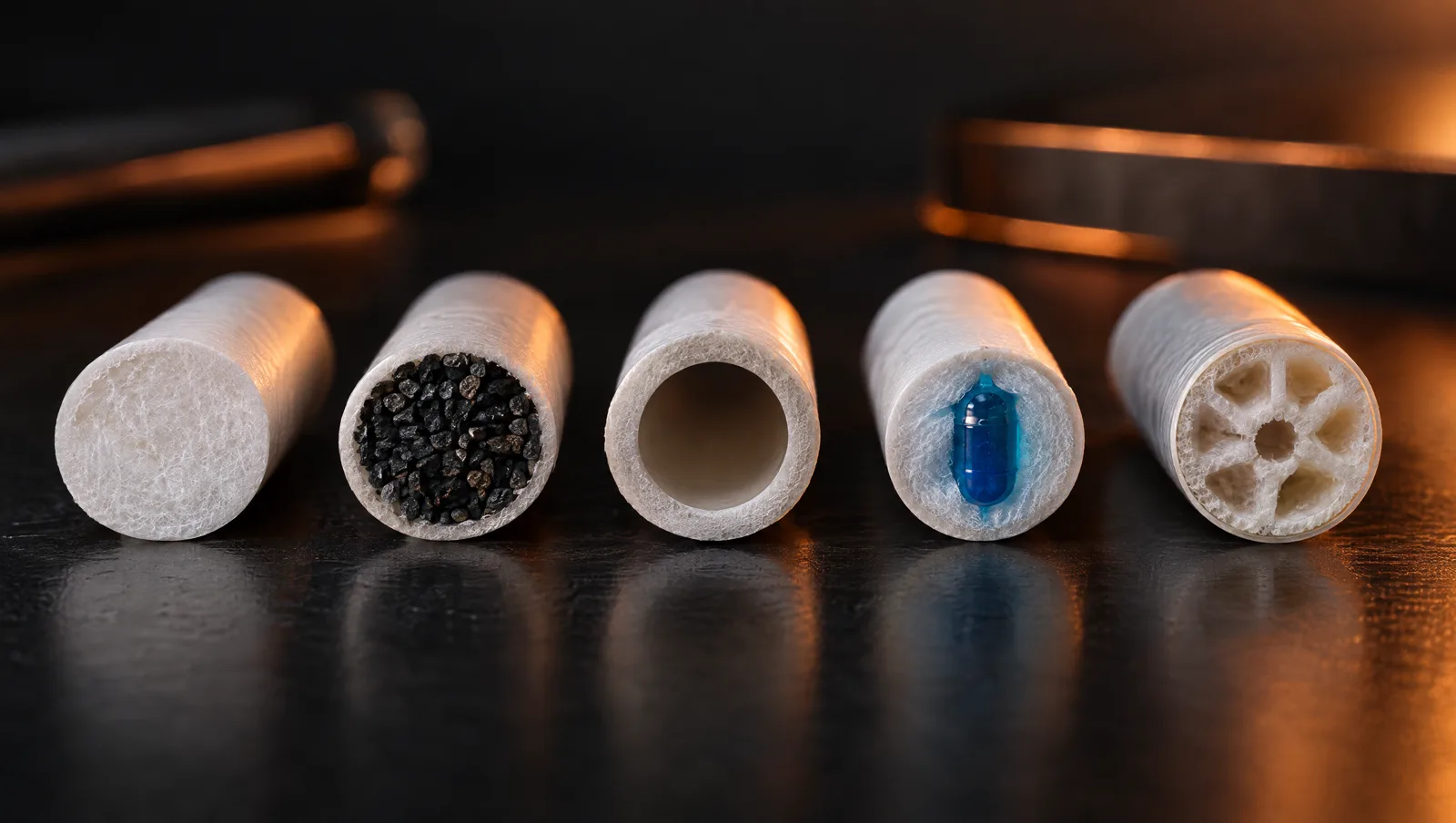
Cigarette filter rods explained: mono acetate, charcoal, recessed, hollow and capsule
What each type of cigarette filter rod does, where it is used and what to watch for when you specify it for your filter assembler.

How to specify a filter rod: length, circumference, pressure drop, ventilation and plugwrap
A practical checklist of the parameters a cigarette factory should state when ordering acetate filter rods, with typical values and the tests behind them.
How to choose cigarette paper: basis weight, permeability, LIP and burn additives
The four cigarette paper parameters that change how a cigarette burns and tastes, and how to match them to your blend, your machine and your market.