The HLP packing line explained: packer, wrapper, boxer and stamper
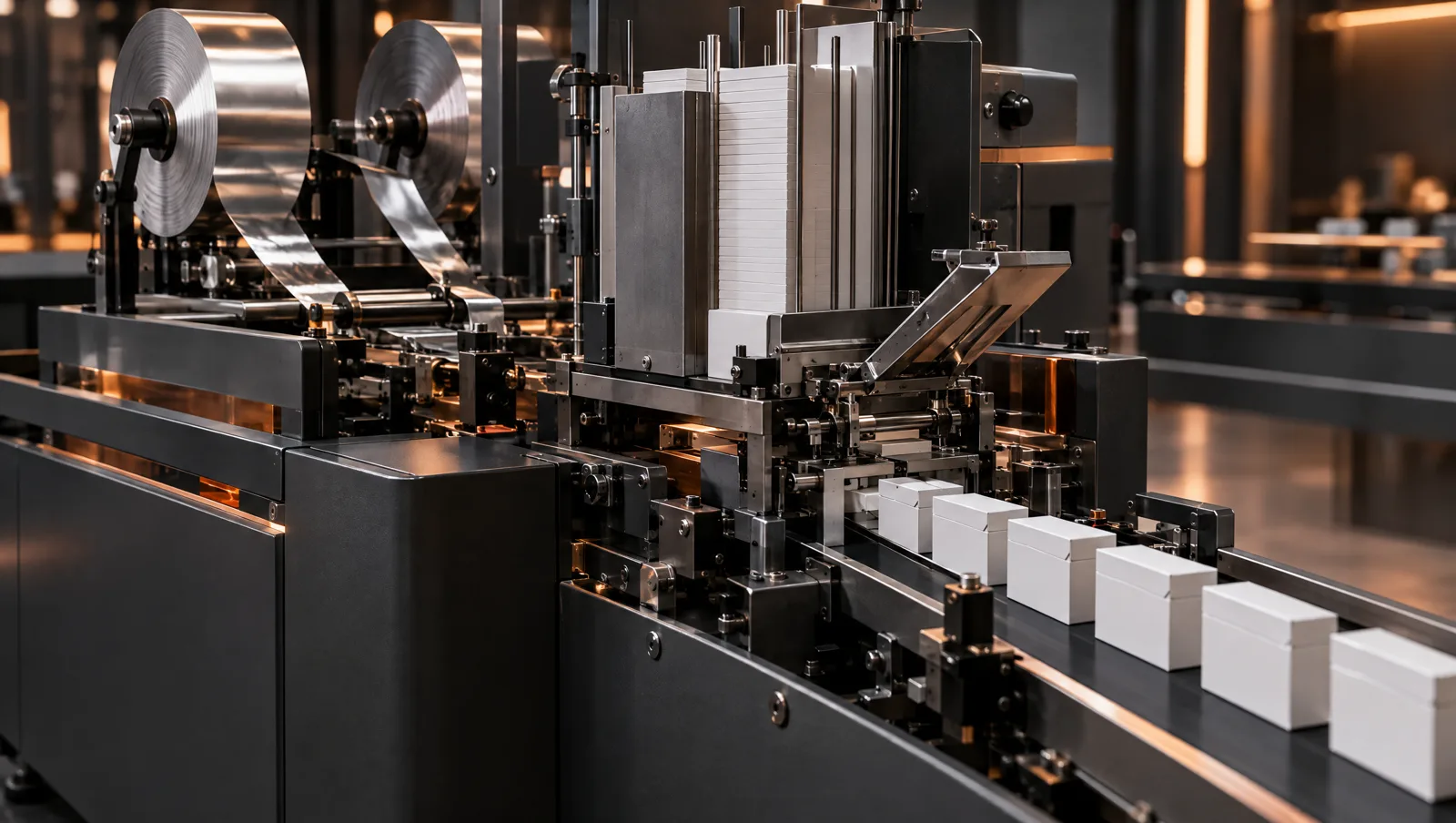
The maker produces cigarettes; the packing line turns them into a product that can be sold. For most small and medium factories that line is built around a hinge-lid packer of the HLP family, followed by a wrapper, a boxer and, where the market requires it, a tax-stamp applicator. This article walks through the line machine by machine and lists the materials each one needs.
The hinge-lid pack
The hinge-lid or flip-top pack was patented by Molins in the 1930s and became the world standard for 20s packs. It consists of a printed board blank folded around the cigarettes, a foil-laminate inner liner that keeps the tobacco fresh, and an inner frame, a collar of coated board that keeps the pack square and gives the lid a defined closing position. Cigarettes are collated in three rows of 7-6-7 for a 20s pack; 10s packs use two rows of five or other layouts.
The HLP packer
The packer receives cigarettes in trays, forms the collation, wraps it in foil, folds the inner frame around it and folds and glues the printed blank. HLP-2 type machines run at 150 to 180 packs per minute; HLP-180 and HLP-250 designs reach 180 and 250 packs per minute respectively. Options include foil embossing, print registration for the inner frame, automatic tray unloaders and glue-level detection.
Materials consumed: foil laminate on reels, inner frame board on reels, printed hinge-lid blanks in stacks, cold glue or hot-melt for the pack.
What to specify: pack count and collation, cigarette length and diameter, blank dimensions and board grade, foil and inner frame reel sizes, excise stamp position if the stamp is applied under the film.
The wrapper (over-wrapper)
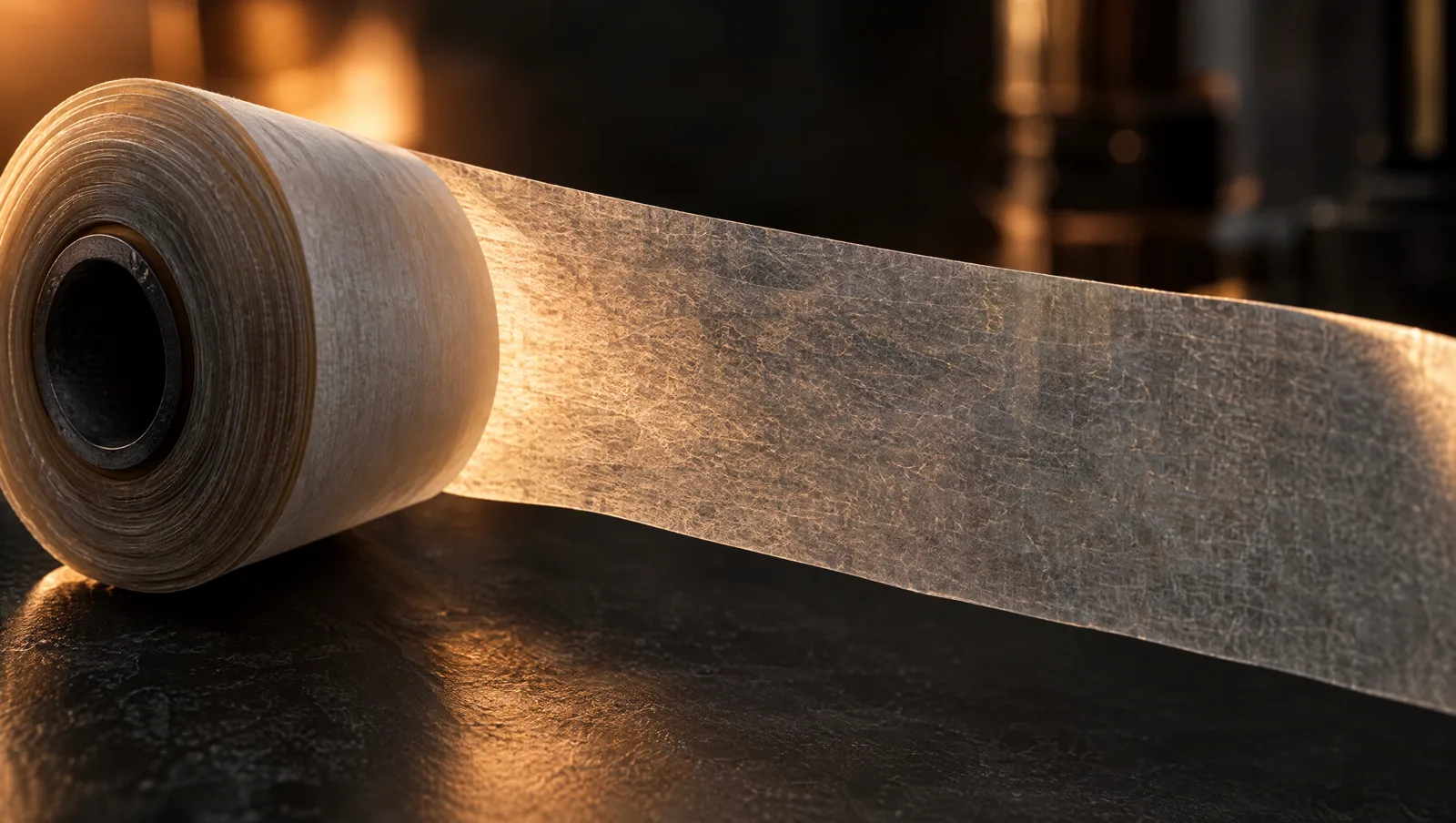
The wrapper applies a transparent film, today usually BOPP, around the finished pack and heat-seals it, adding a tear tape so the consumer can open it. The film protects the pack from moisture and handling and proves that it has not been opened. Indian and Chinese suppliers use the names wrapper and over-wrapper interchangeably; a "naked" wrapper configuration wraps packs or bundles that have no outer carton.
Materials consumed: BOPP film 20 to 25 µm on reels, tear tape 1.5 to 3.5 mm wide.
What to specify: film thickness and type (clear, pearlised, matt), reel width for the pack format, tear tape colour and print, sealing temperature range.
The boxer
The boxer groups ten packs into a carton (outer), folds and glues the carton blank and passes it to a second wrapper for carton film. Some lines use a shell-and-slide carton instead of a glued one.
Materials consumed: printed carton blanks, glue, carton film 25 µm or heavier, tear tape.
The stamper
Where the market uses excise or tax stamps, a stamper applies the stamp across the pack opening before or after wrapping, depending on the regulation. Stampers run at the speed of the packer, typically 180 to 300 packs per minute, and take stamps from reels or stacks.
Balancing the line
A Mark 9 maker at 4,500 cigarettes per minute produces 225 packs of 20 per minute, which is more than one HLP-2 can pack. Factories either run an HLP-250, two HLP-2 machines, or buffer cigarettes in trays and run the packer longer. Decide this before you buy; the tray handling between maker and packer is part of the line design.
Conversion and formats
Changing the pack format on an HLP means changing the format parts (roughly a third of the machine), the blank magazine and the folding tools. Conversion kits exist for the common formats. If you plan to run both 20s and 10s, say so when ordering.
Materials matter as much as the machine
Most packing line stoppages are caused by materials: board with the wrong stiffness or moisture, foil that tears, film that seals at the wrong temperature, tear tape that snaps. Buy the machine and the materials from suppliers who talk to each other, and run a trial pallet of each material before the main order.
Tabaxis supplies HLP packers, wrappers, boxers and stampers together with the blanks, inner frame board, foil, film and tear tape they consume, installs the line and delivers the materials on a schedule. Send us your pack format and volume and we will propose a balanced line.
Related products
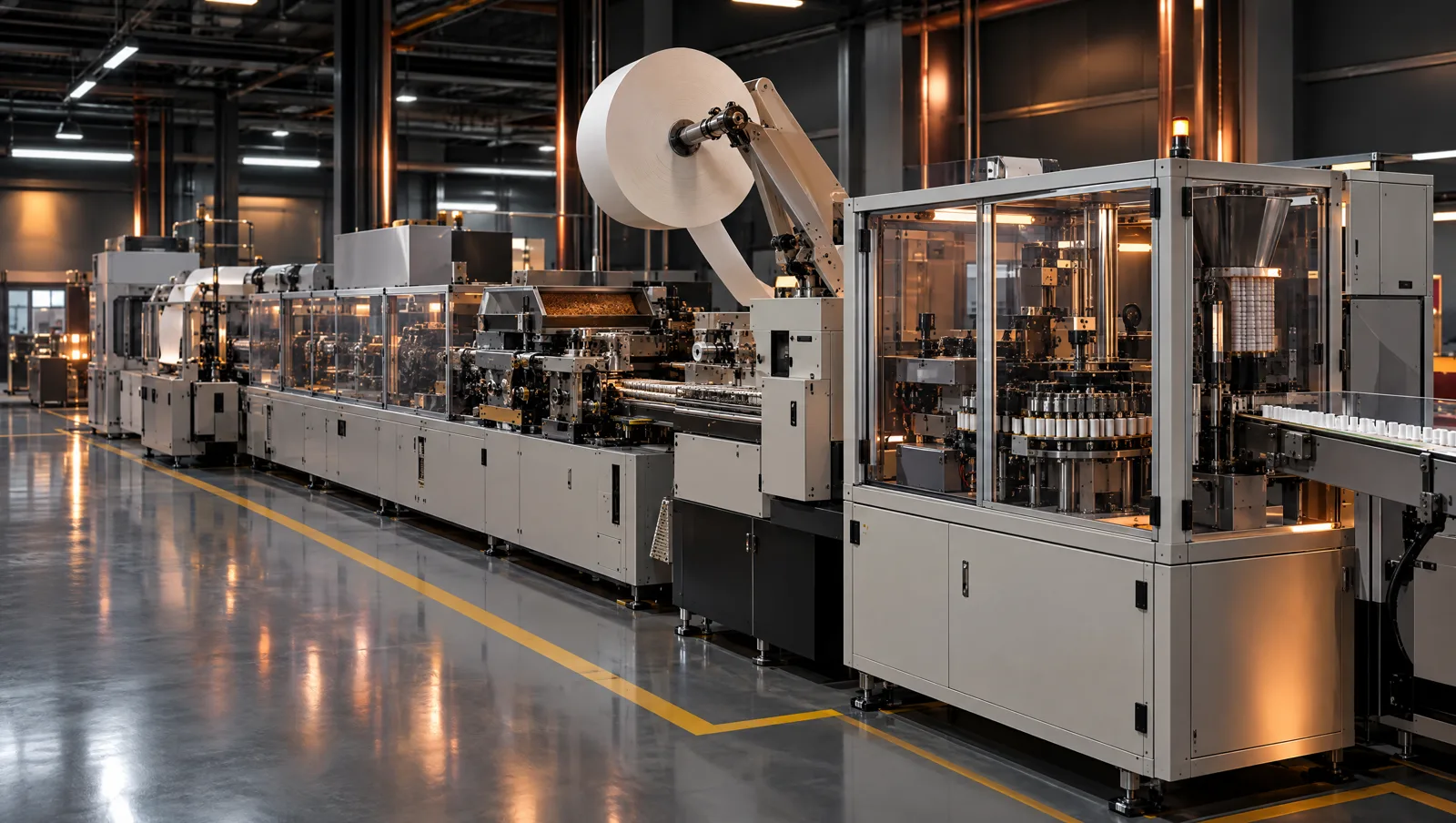
Cigarette making and packing machines
New Mark 8 and Mark 9 makers with MAX filter assemblers, high-speed lines up to 10,000 cigarettes per minute, HLP packers, wrappers, boxers and stampers.
Learn more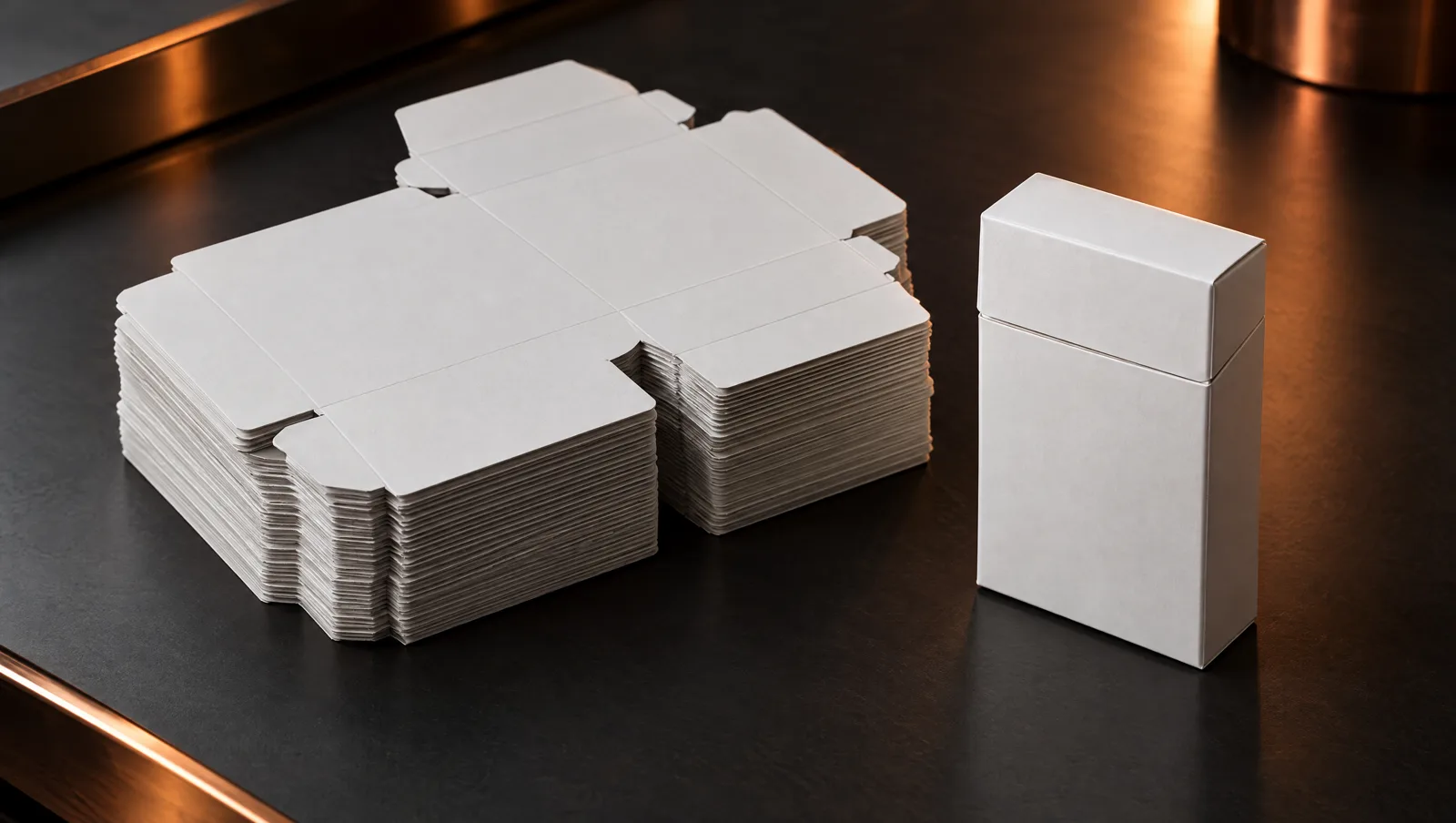
Printed packaging: hinge-lid blanks and cartons
Printed and die-cut hinge-lid blanks, shell-and-slide packs and cartons of ten with offset, hot-foil, embossing and holographic finishes.
Learn more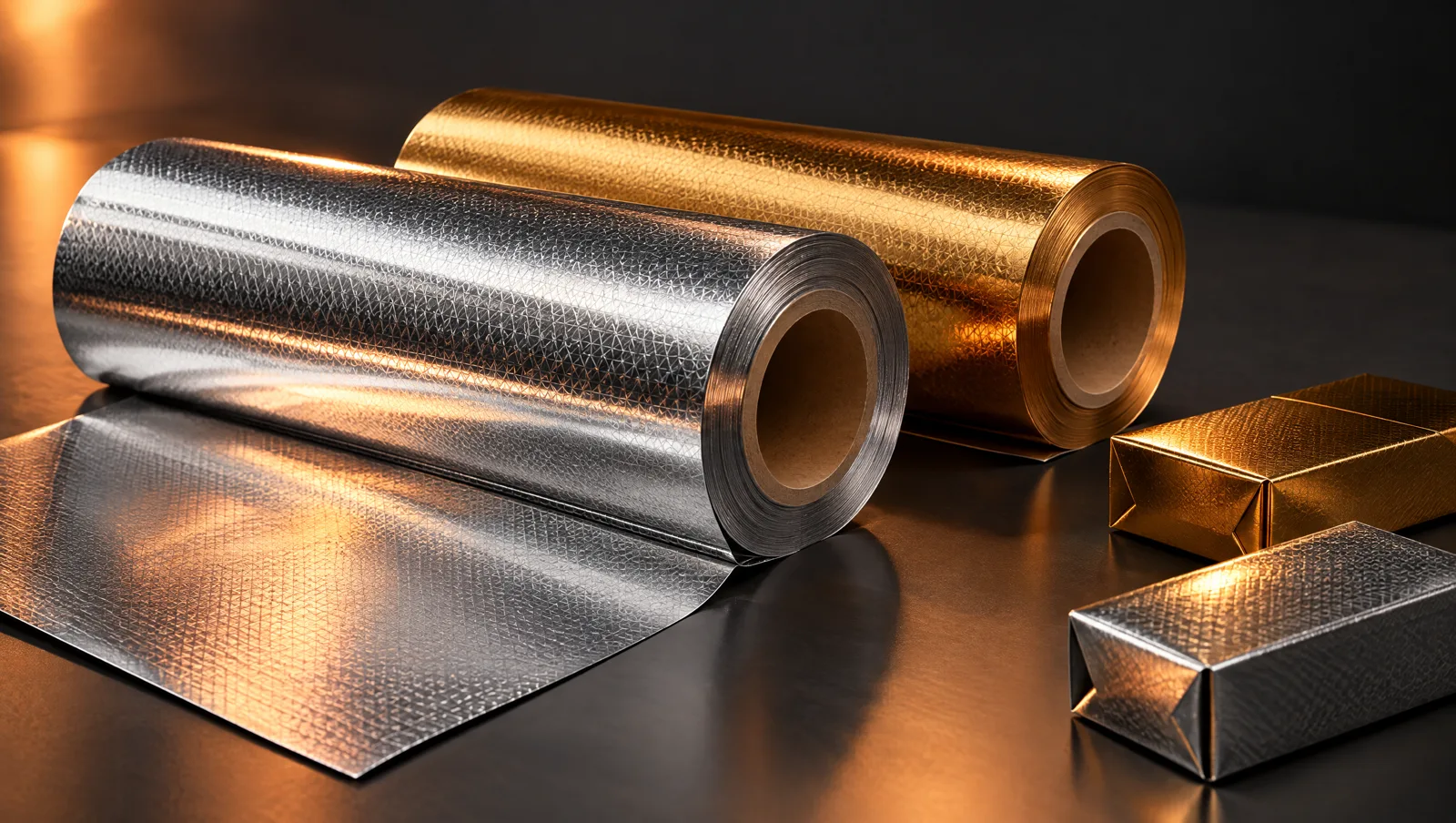
Cigarette foil (inner liner)
Aluminium foil laminated to paper for the inner liner of the pack, in any colour, embossed or printed, for high-speed packers.
Learn more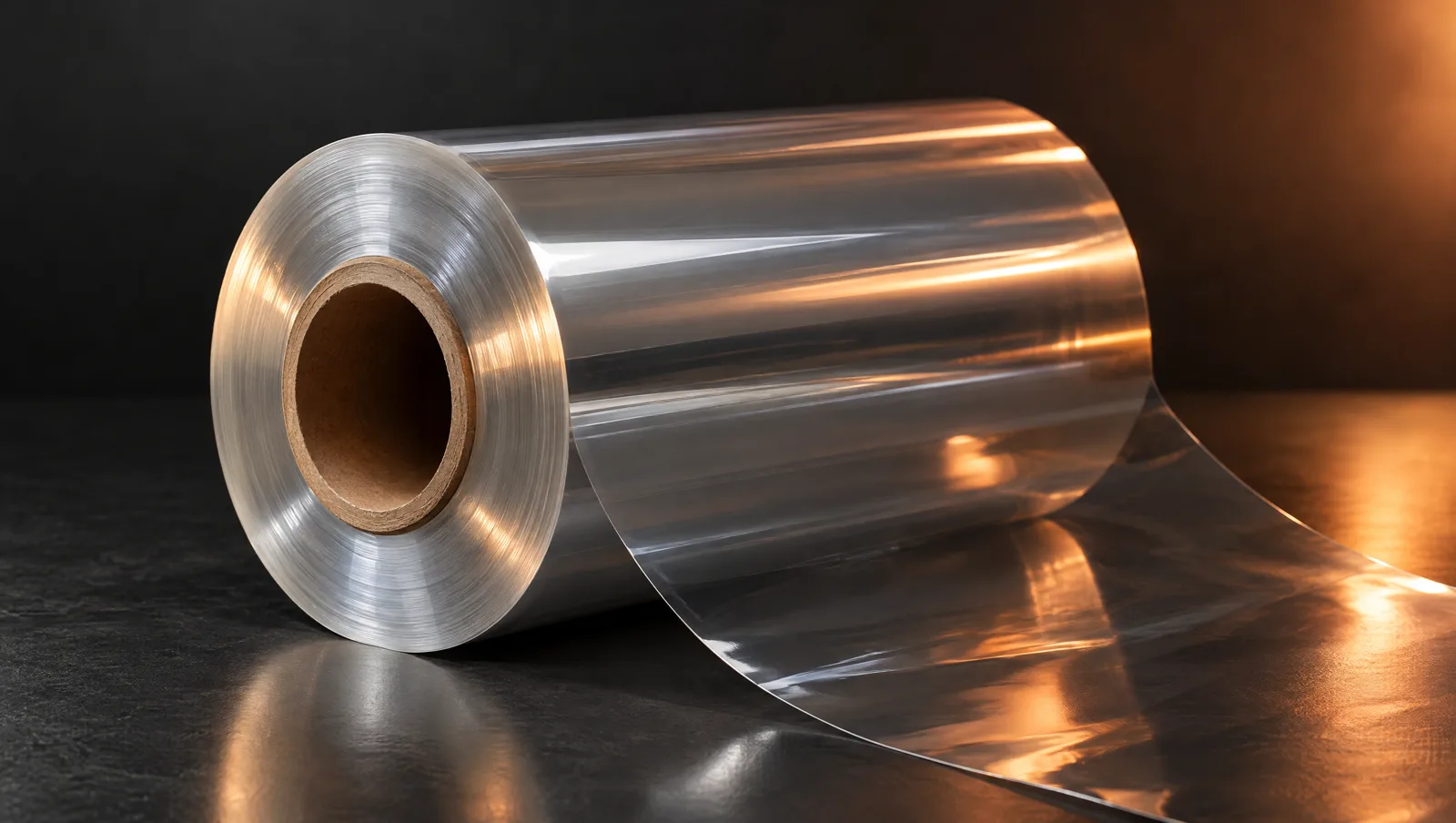
BOPP and PVC film
Heat-sealable BOPP overwrap film for packs and cartons, and PVC film for regional markets, in widths for every wrapper.
Learn more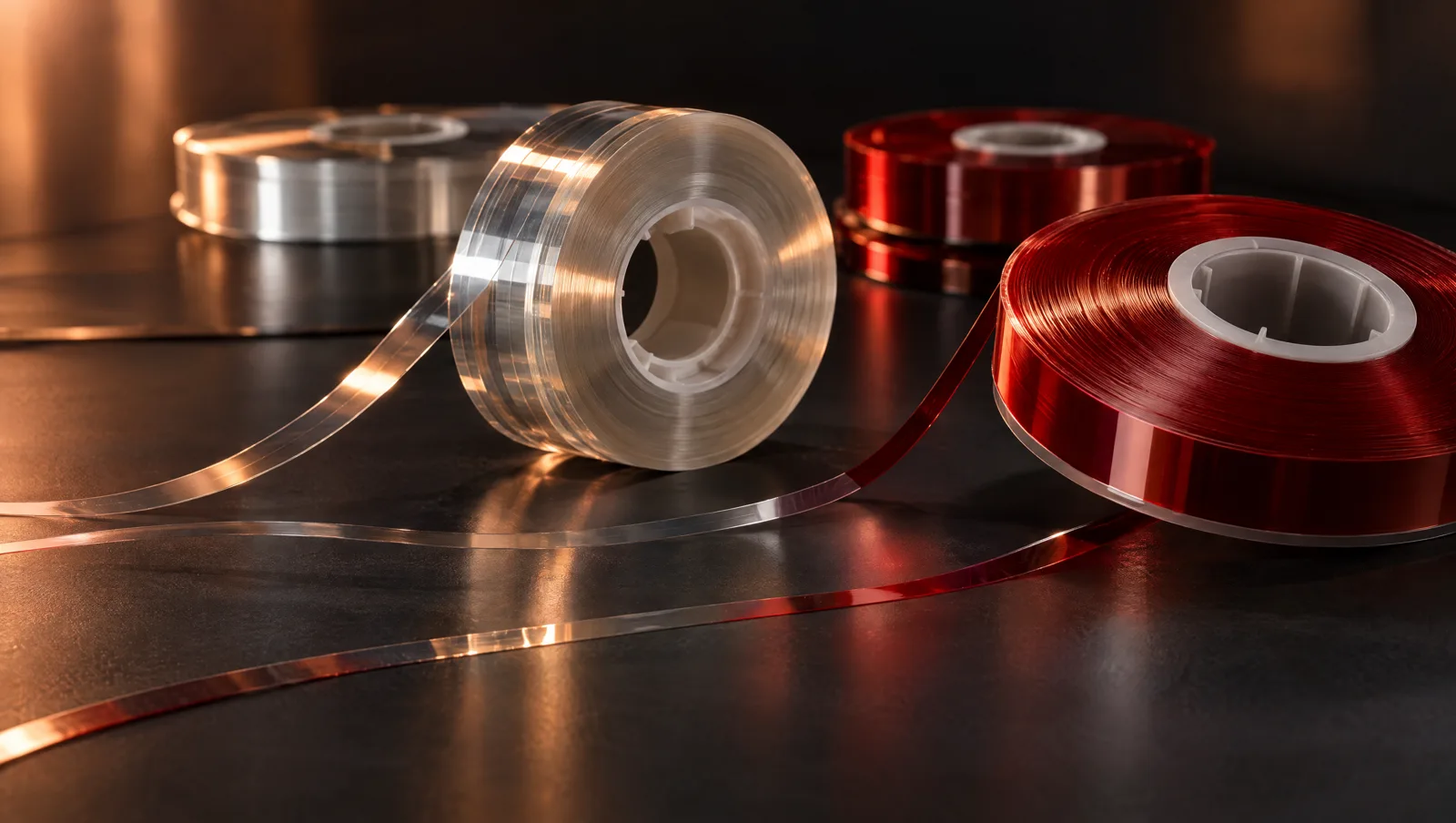
Self-adhesive tear tape
Transparent, coloured and printed tear tape for pack and carton overwrap, in widths and reel lengths for high-speed wrappers.
Learn moreMore articles
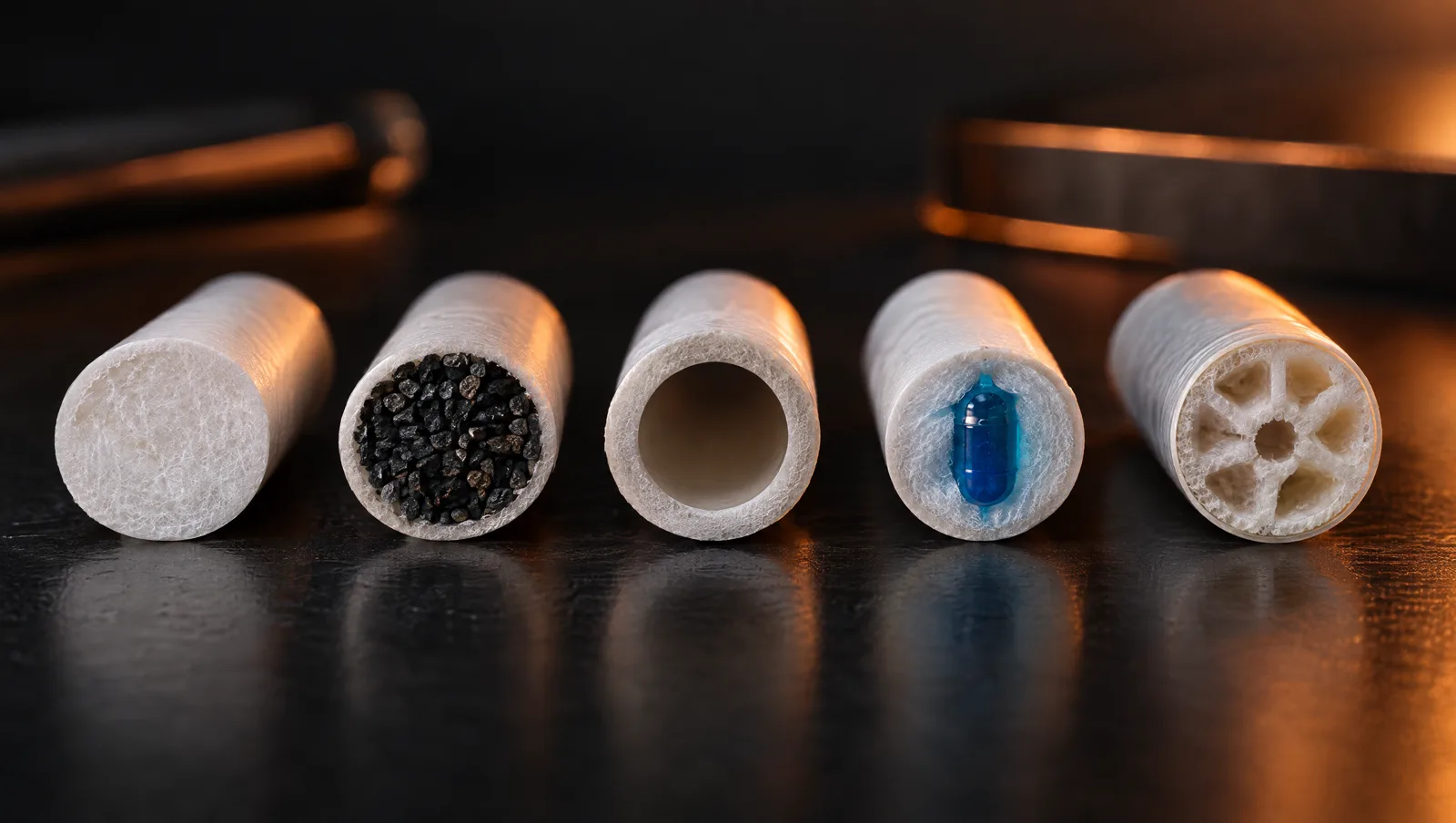
Cigarette filter rods explained: mono acetate, charcoal, recessed, hollow and capsule
What each type of cigarette filter rod does, where it is used and what to watch for when you specify it for your filter assembler.
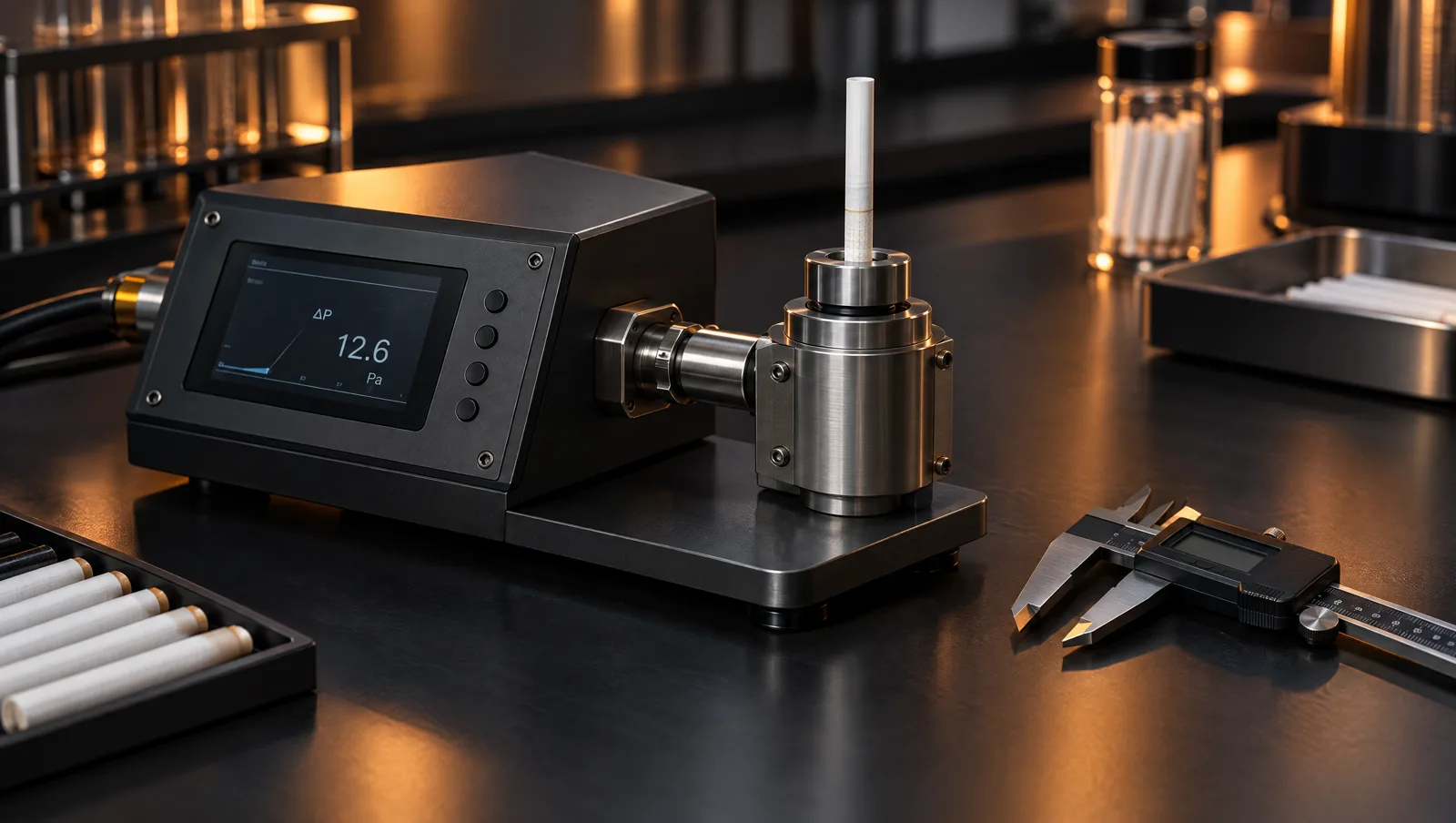
How to specify a filter rod: length, circumference, pressure drop, ventilation and plugwrap
A practical checklist of the parameters a cigarette factory should state when ordering acetate filter rods, with typical values and the tests behind them.
How to choose cigarette paper: basis weight, permeability, LIP and burn additives
The four cigarette paper parameters that change how a cigarette burns and tastes, and how to match them to your blend, your machine and your market.