Importing tobacco materials into the EU: HS codes, excise and why DDP saves money

A cigarette factory in the European Union buys materials from Asia and the Middle East because the quality is good and the price is right. The difficulty is rarely the product; it is the border. Classification, duties, excise and transit tie up time and capital that a production company would rather spend on production. This article explains how the main materials are treated and why many factories now buy on Delivered Duty Paid terms.
Which materials are excise goods and which are not
The distinction decides everything that follows. Filter rods, cigarette paper, tipping paper, foil, inner frame board, packaging, films, tapes and adhesives are ordinary industrial goods: they pay customs duty and import VAT and move freely once cleared. Tobacco itself, whether leaf, blended strips, cut rag or reconstituted tobacco, is an excise product in the EU: it must be received by an authorised warehouse keeper or registered consignee and move under excise control with electronic administrative documents. Finished cigarettes are excise goods with additional track-and-trace and labelling obligations.
Typical HS classifications
Tariff classification determines the duty rate and the documents. The headings below are the ones normally applied; the binding classification in the EU is confirmed through the TARIC database or a Binding Tariff Information ruling obtained by the importer.
| Material | Heading usually applied |
|---|---|
| Cigarette filter rods (acetate, including charcoal) | 5601.22 |
| Cigarette paper, tipping paper, plugwrap | 4813 (printed or coated grades may fall under 4811) |
| Aluminium foil laminated to paper | 7607.20 |
| Inner frame board, pack board | 4810 / 4811 depending on coating |
| Printed hinge-lid blanks and cartons | 4819 |
| BOPP film | 3920.20 |
| Tear tape | 3919 or 3920 |
| Adhesives | 3506 |
| Cigarette making machines and parts | 8478.10 / 8478.90 |
| Packing machines | 8422.40 (dedicated cigarette packers sometimes 8478.10) |
| Unmanufactured tobacco, strips | 2401 |
| Reconstituted tobacco | 2403.91 |
What the importer has to do under EXW or FOB terms
If you buy from the factory gate or from the port of loading, your company becomes the importer. You need an EORI number, a customs broker at the port of entry, a guarantee or a deferment account for duties and VAT, insurance, a forwarder for the sea leg and the truck, and someone who checks that the documents from an Asian manufacturer match what EU customs expect. Each shipment brings a day or two of work and a sum of capital frozen until clearance. If the goods have to cross another country first, a transit procedure (T1) with its own guarantee comes on top.
What changes under DDP
Under Delivered Duty Paid the seller does all of this. The goods are delivered to your warehouse cleared, with duties and taxes paid, and you receive one invoice in which the price per unit already includes transport and clearance. Your purchasing department can compare that price directly with a domestic supplier's offer. You do not need the import infrastructure, you do not freeze capital in guarantees, and you do not carry the risk of a shipment held at the border because a document is missing.
For excise goods DDP has limits: the consignee still has to hold the excise status the law requires, but the seller can prepare and coordinate the movement with the consignee's warehouse keeper.
Where DDP costs more and where it saves
A DDP price includes the seller's cost of clearance and the seller's guarantee. For a factory that imports a container every two weeks and already employs a customs team, EXW plus its own logistics may be cheaper. For a factory that imports a few containers a year, or that imports from several countries, DDP almost always costs less once the time of the staff, the frozen capital and the occasional border problem are counted. Transit guarantees for cigarettes through the EU can also be provided by the seller, which keeps the buyer's credit lines free.
Documents to expect with every delivery
Commercial invoice and packing list, bill of lading or CMR, certificate of origin, quality certificates per lot, safety data sheets for adhesives, compliance declarations for materials in contact with the product, and, for tobacco, the excise movement documents. A good supplier provides them before the goods arrive, not after.
Tabaxis has delivered more than 500 containers to customers in over twenty countries since 2015, most of them DDP. If you want to know what a delivered price to your factory would look like, send us the material, the quantity and the address.
Related products
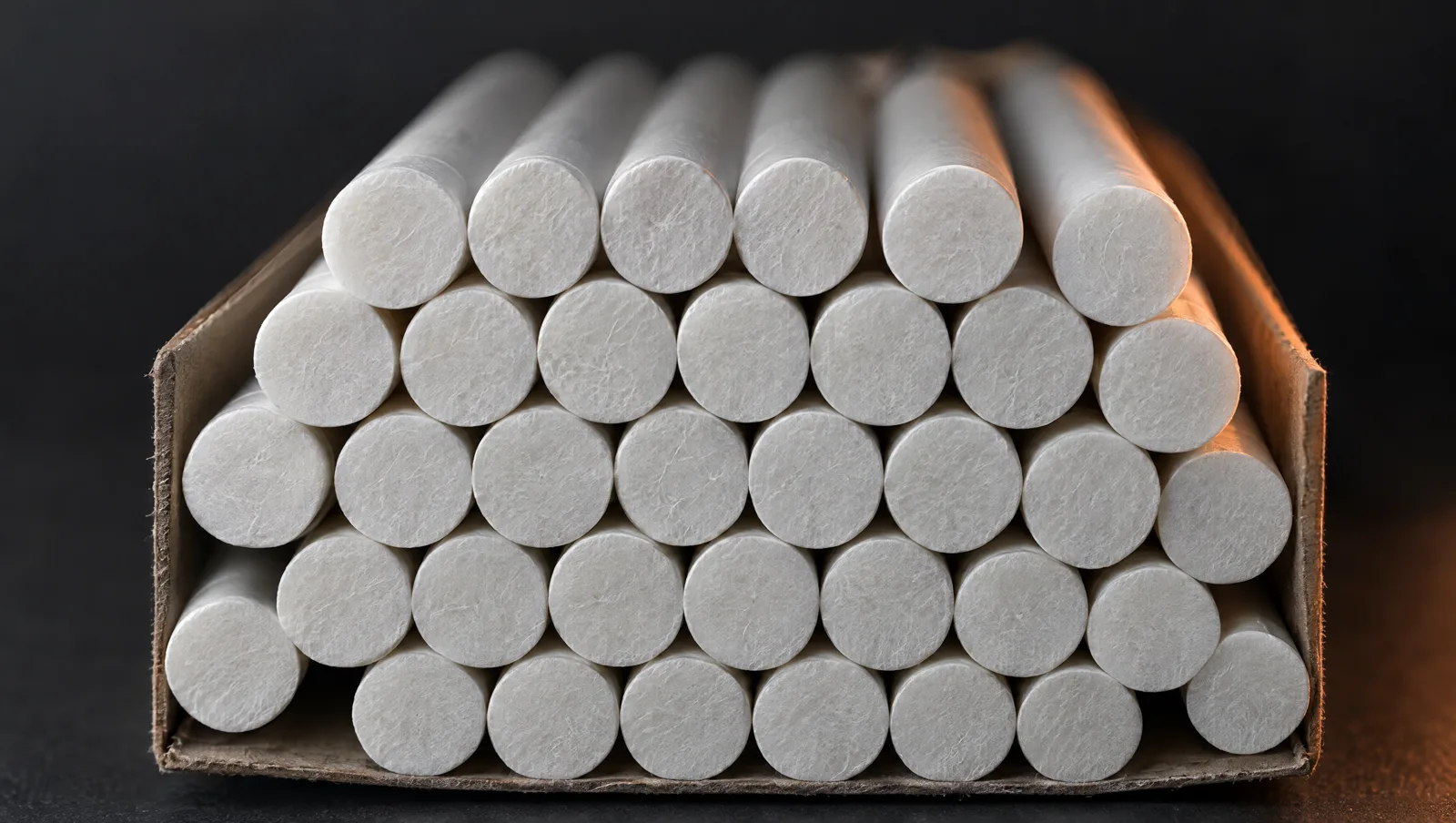
Filter rods
Mono acetate, charcoal, recessed, hollow tube and capsule filter rods in any length, diameter and pressure drop.
Learn more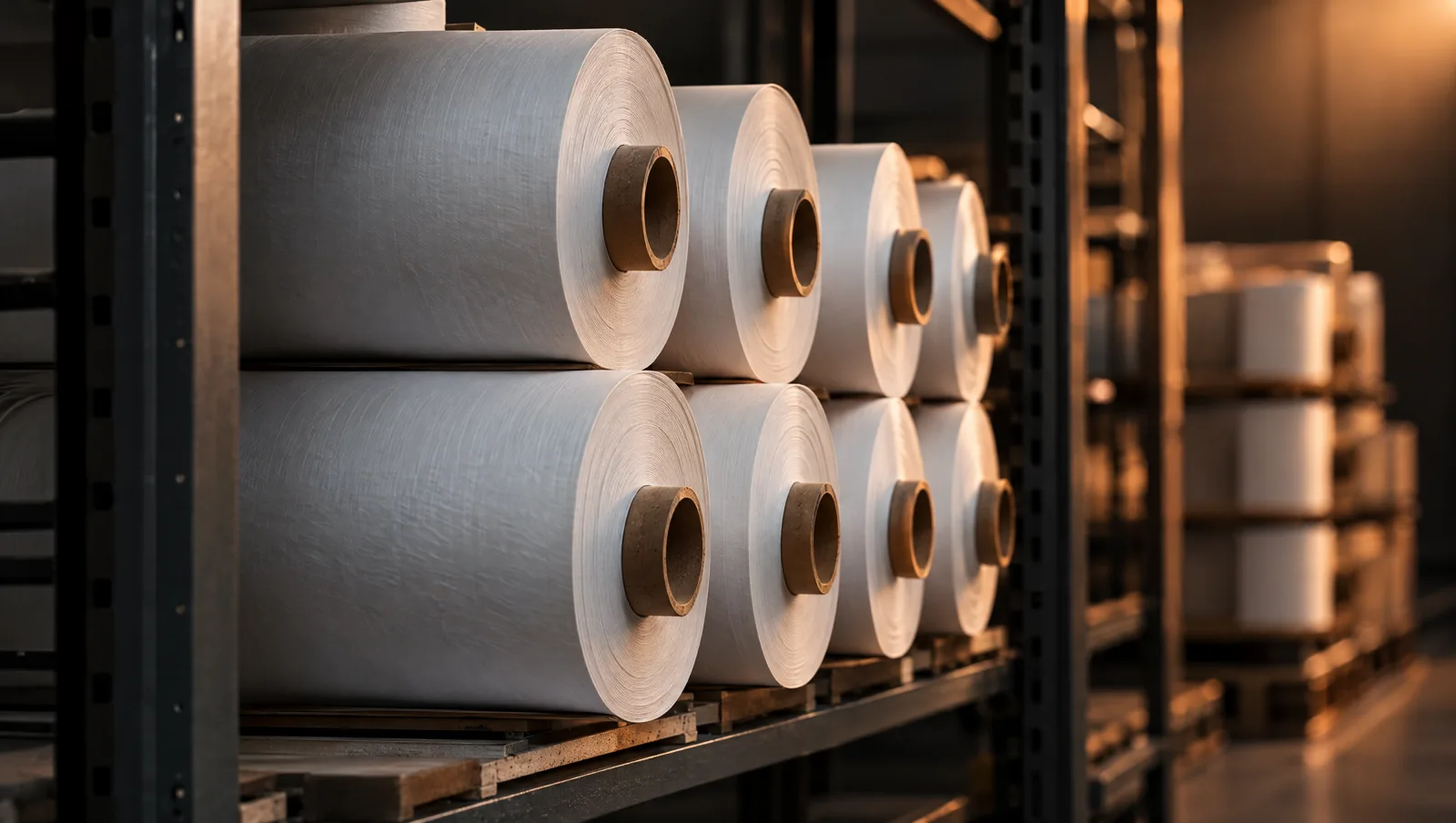
Cigarette paper
Cigarette paper bobbins of any width and permeability for all formats and machines, direct from European and Asian paper mills.
Learn more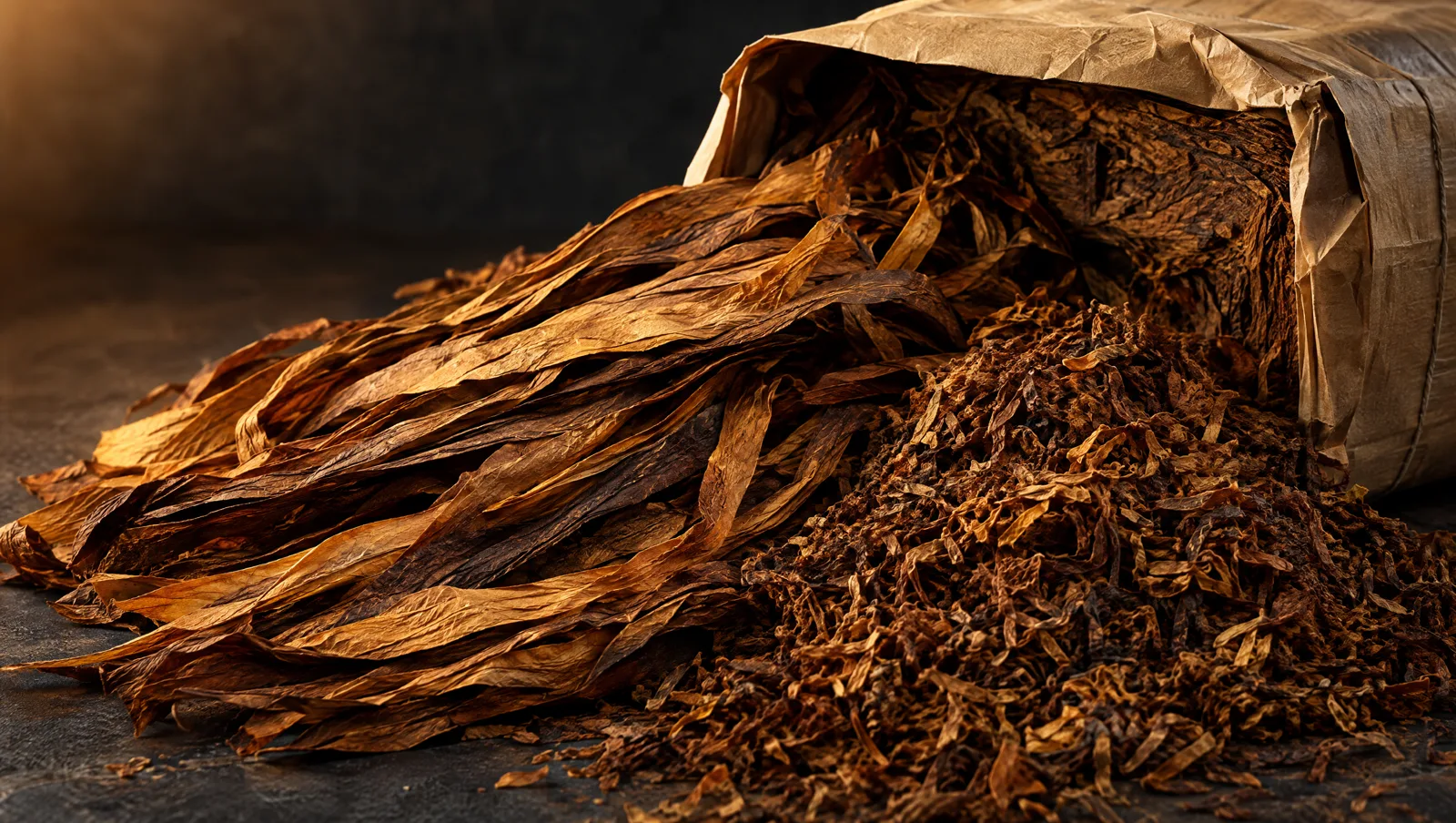
Tobacco: blended strips, cut rag, leaf and reconstituted tobacco
Blended strips and cut rag to your recipe, Virginia, Burley and Oriental leaf, reconstituted tobacco and stems from European, Brazilian and Indian suppliers.
Learn more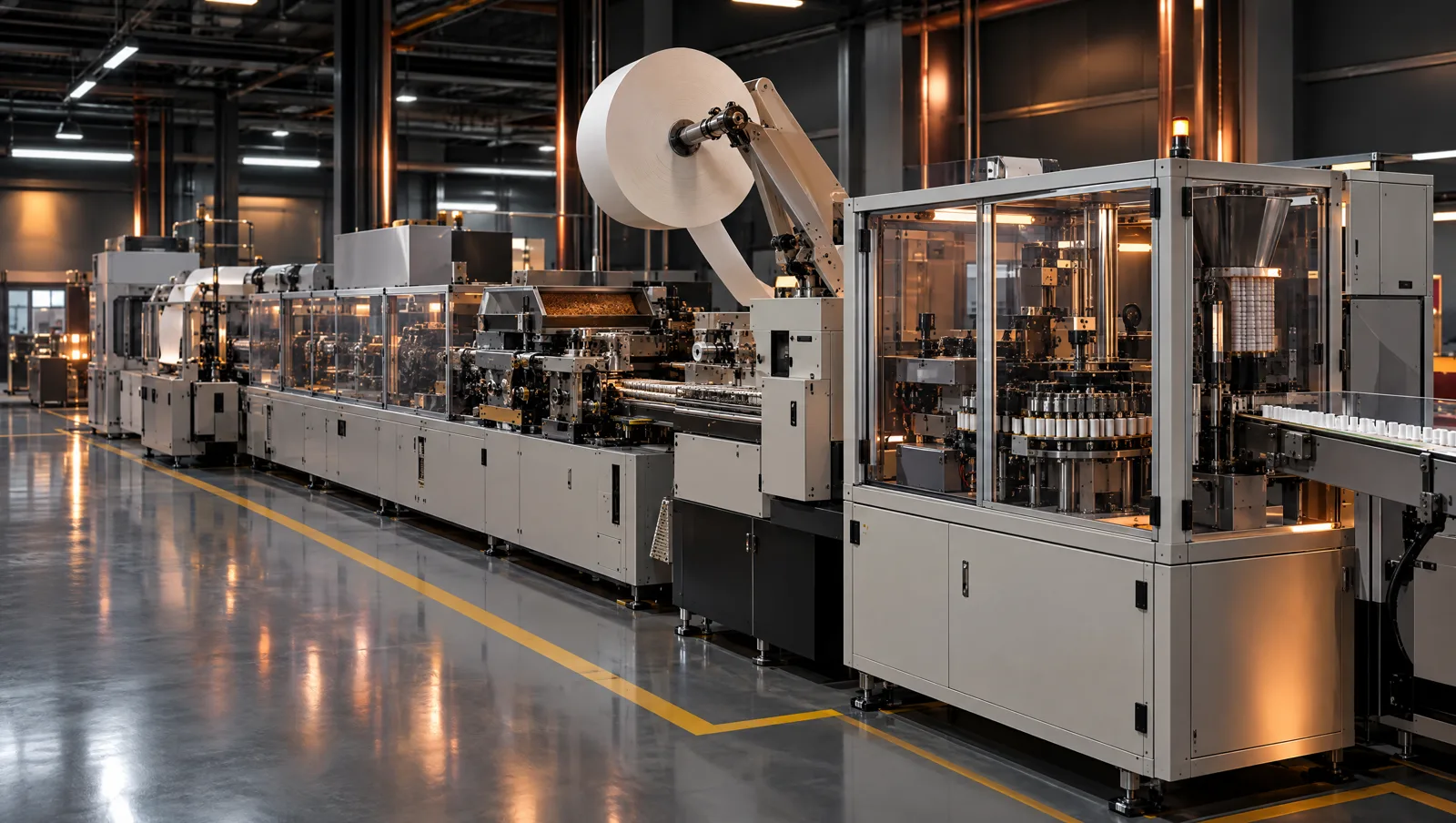
Cigarette making and packing machines
New Mark 8 and Mark 9 makers with MAX filter assemblers, high-speed lines up to 10,000 cigarettes per minute, HLP packers, wrappers, boxers and stampers.
Learn moreMore articles
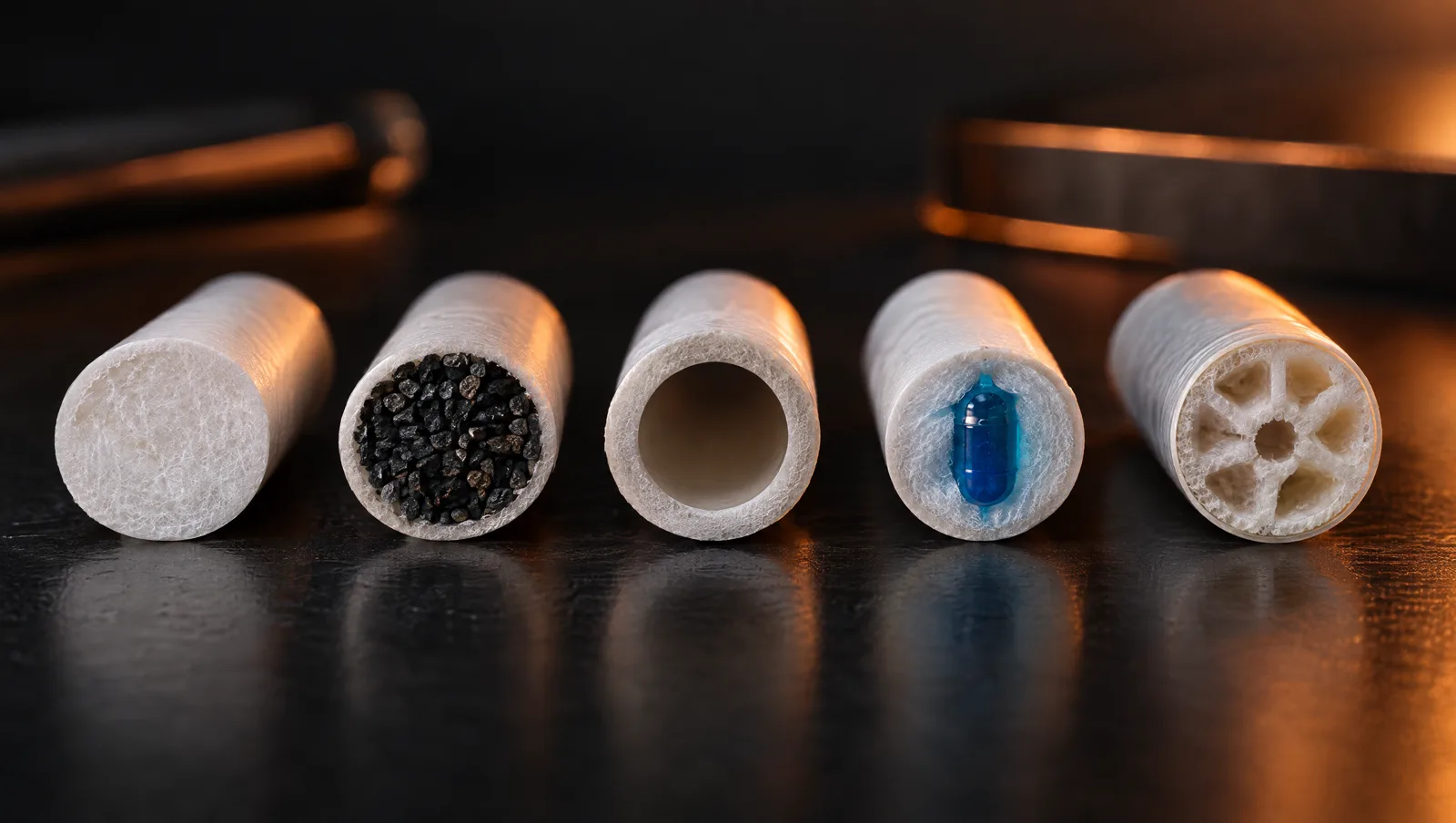
Cigarette filter rods explained: mono acetate, charcoal, recessed, hollow and capsule
What each type of cigarette filter rod does, where it is used and what to watch for when you specify it for your filter assembler.

How to specify a filter rod: length, circumference, pressure drop, ventilation and plugwrap
A practical checklist of the parameters a cigarette factory should state when ordering acetate filter rods, with typical values and the tests behind them.
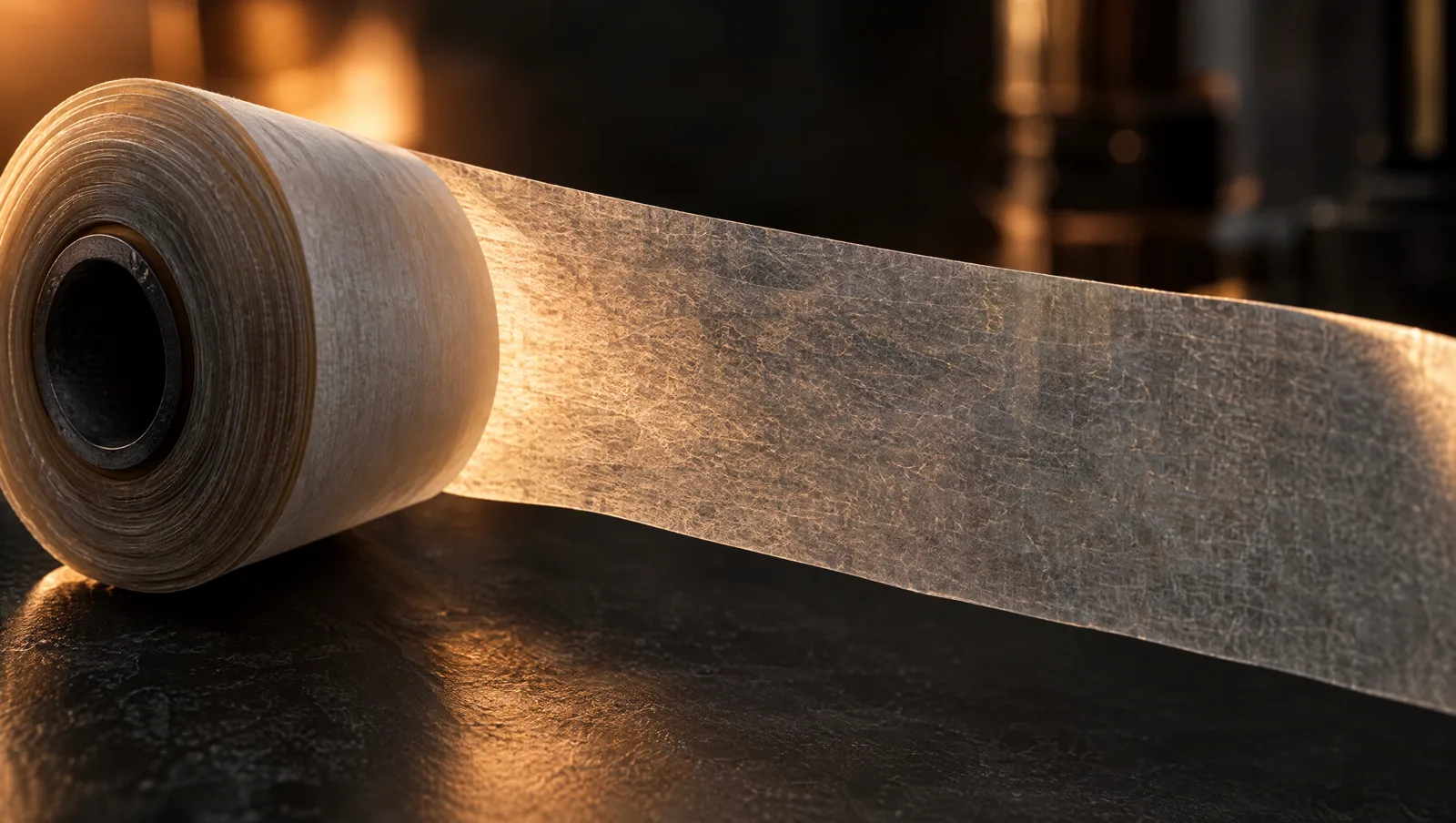
How to choose cigarette paper: basis weight, permeability, LIP and burn additives
The four cigarette paper parameters that change how a cigarette burns and tastes, and how to match them to your blend, your machine and your market.